
practicing Script
with our lovely Pilot fountain pens

word sums in Ms. Shawna's
Structured Word Inquiry class


finishing up our Norse Mythology MLBs


the Montessori Teaching Clock by Hello Wood
combines two Montessori materials and concepts: the red Fraction Circles and skip counting by 5's using the light blue Colored Bead Bars
combines two Montessori materials and concepts: the red Fraction Circles and skip counting by 5's using the light blue Colored Bead Bars

making bottle cap charms in Ms. Kelly's Art class


Crocodile Game (<, >)
the crocodile's mouth opens towards the larger number of fish


students who are still learning place value can use the Stamp Game material to make the two numbers and compare them

now this child can more easily see which amount is more... discovering that
2722 has two tens and 2712 has only one

students who need more of a challenge use the color-coded ten sided dice to roll their own numbers to the millions place and then compare them

our Magic Triangle puzzle
arrange the numbers from 1 to 6 such that each side has a sum of 9

using our box of gems as a manipulative to help solve this puzzle

for students who need more scaffolding, fill in two of the digits

Leah is enjoying her dissection kit from Home Science Tools


she shows me the gills of the clam

I showed her the page of information about how mollusks form their shells, from Houses from the Sea


she cleaned out the shell and it's so beautiful!

math puzzles!


our lovely new Roman Numerals box from Hello Wood
a handmade classroom material

the ONE full-sized lollipop


grinding up the lemon-flavored sugar
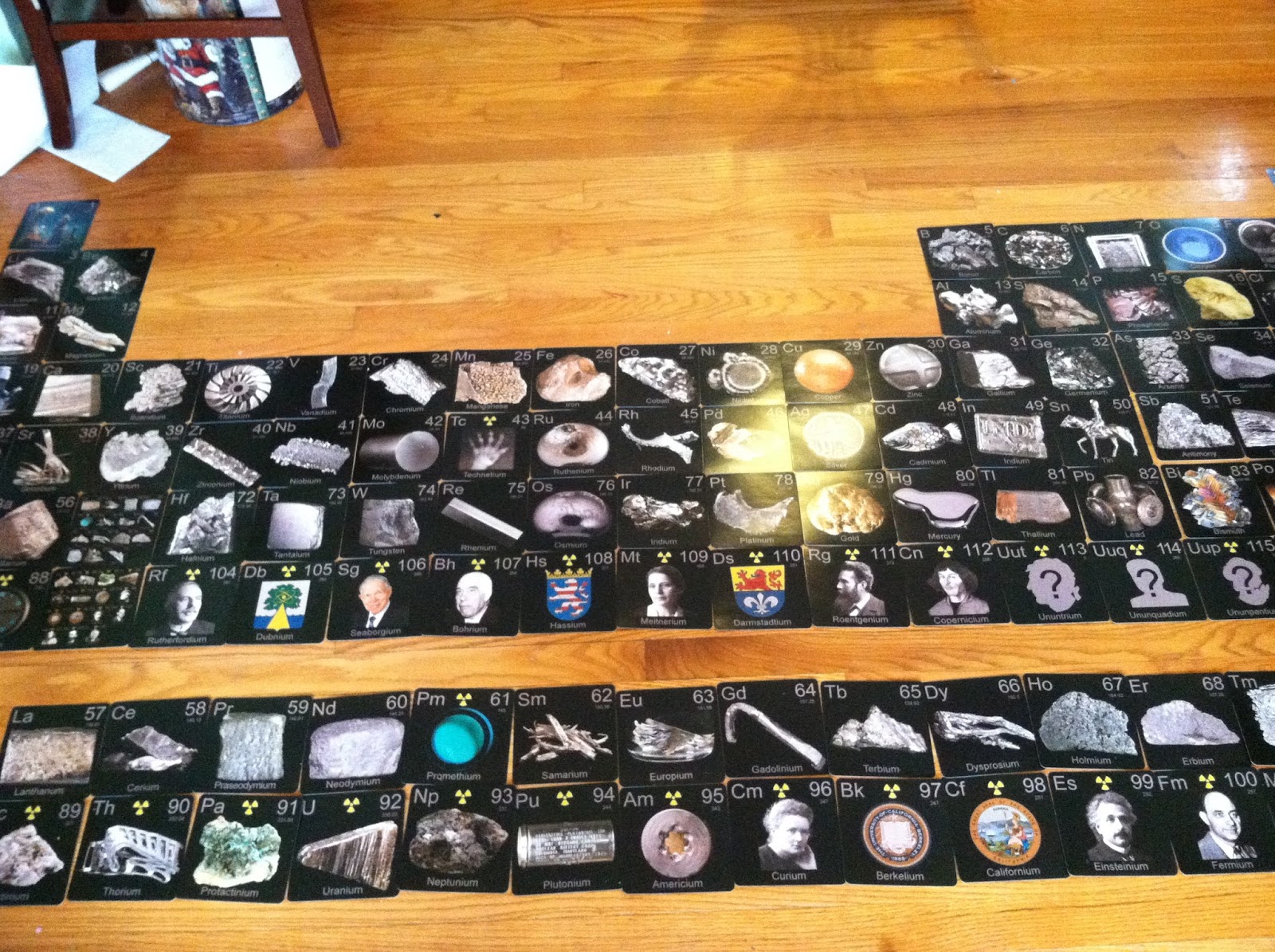
setting up the Periodic Table Cards... just for fun

Leah is a huge fan of Theodore Gray's books and we have them all
the newest one... Reactions... came out in time for her birthday

Zac, meanwhile, is enjoying his newest sensory bin: packing peanuts!
he sorts them into colors in his muffin pan


the gems can even be used for large division problems (36 divided by 6)

2 + _____ = 8
(2 + how many more?)
lay down 2, put down the pencil, and then keep counting until you reach 8
then count how many gems are below the pencil

solving a sample puzzle from Mindware's Multiplication Mosaics book

a younger friend is curious about Pride & Prejudice

a 14 year old and a 4 year old work together to refill the window bird feeder

a debit card (top) is where you spend what you have
a credit card (bottom) is where you spend what you DO NOT have

a huge file of credit card bills


sharing our Simple Pleasures comic strips

Becca has asked me to photograph hers and publish it in the blog


using the Montessori Grammar Symbols to symbolize a sentence...
and discover why a comma splice is incorrect punctuation

younger students love board books to read to Zac!
Steve Light's books are great for practicing sounding out

older students help younger ones with more complicated work...
matching names and definintions to the Landforms & Water Features cards

and do yoga together!


the Yoga Pretzels deck has been a huge hit


Archie comes to see what all the fuss is about

what are the Four Components of Productive Soil
feeling and describing what's in each bag


using nickels to help make the idea of percents more clear

productive soil is made up of 45% rocks & minerals, 25% water, 25% air, and 5% decaying organic material


Jamie York's 7th grade math workbook is filled with Ratios puzzles
the answer to this one is x = 5.4 meters


my new Flags of the World work is also gaining in popularity!
it's fun to be the first to do a brand-new continent and to take the cards out of their shrink wrap... this set is for Oceania

static multiplication on the Checker Board

Backgammon

we learned that the xylophone originated in Africa

my pentatonic xylophone is a well-loved hand-me-down and is crafted using old railroad spikes cut to a variety of lengths

sketchnotes for Surviving the Applewhites

sand candles for Candlemas

and gorgeous ground candles!

our indoor ground candle

the indoor ground candle once it has cooled

I like having students do chickens as a first knitting pattern
knit a simple square, fold into a triangle, embellish, voila!

Becca shows off her lamb to a brand-new Waldorf first grade student
this classic pattern is found in A First Book of Knitting for Children

the Early Humans three part cards from Clocca Concepts


using the Waseca Biome material for our Africa research

these three part cards are self-checking using the icons on the back
these symbols stand for Africa - Grasslands - Plant

organizing the cards in the three part card tray

there are a LOT of flags in the Africa work!


using the Colored Bead Bars and stamps to solve and record the answer for simple multiplication problems

Zac thinks this work is way cool!

when you're bigger, Zac, you too can learn multiplication

Becca finds the flag card for her country report on Lesotho

reading from our extensive collection of Africa books
this is the authorized comic book of Nelson Mandela's life

removing the sand candle from its mold

the three little legs are so cute!

Leah is working on knitting a doll...
a pattern from Knitting for Children: A Second Book

working together to change the chicken mummy salt
R.I.P. Queen Cluckopatra

another two boxes of kosher salt go in

reading lots books by Steve Jenkins to look for facts on our African animals
this book is Creature Features

Leah is dissecting the grasshopper
they don't give a suggested order for this kit, so she's doing all of them and then reporting to me her suggestions for arranging them in order of difficulty... and we will publish a review on the Home Science Tools website with her recommendations


how many eyes do YOU think a grasshopper has?


the laundry room has become her happy place
and it's private so that students who don't want to be around a dissection don't have to be

laying out the flags of Asia

we talked about plagiarism and students are carefully deciding how to phrase their notes from the three part cards... here a younger child asks an older one for his advice


the Africa book collection gets bigger and bigger every time the library sends me a text to say a book I've requested has come in!


yeast experiments in the Thursday night Science Club

using a large piece of paper as both a placemat to delineate each individual students' experiments... and as a way to record the contents of each jar


the dramatic results are so fun for kids to watch

each combination acts differently

making yeasted bread in class the next day


getting ready to put our Sun Bread in the oven using the delicious recipe from Elisa Kleven's book


brown and delicious
and the swirly parts of the corona are perfect for snacking on

starch experiments in the Friday night Science Club
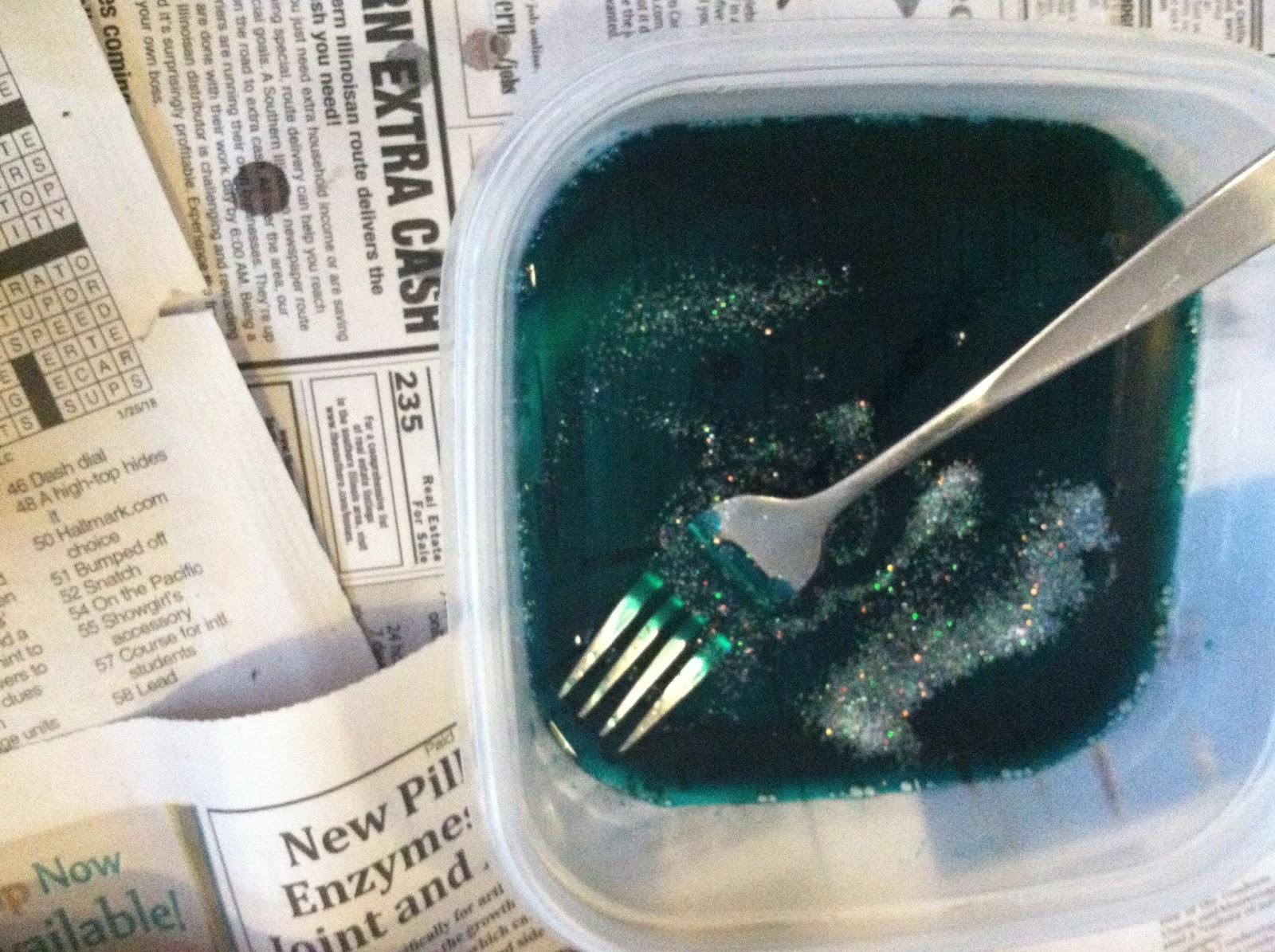
making slime :-)

adding color and glitter


making Balloon String Balls

we made way more than we needed... I suggest only making a quarter of the recipe

don't forget to spray your balloon with Pam


we popped one this morning and removed the balloon
they turned out so beautifully!
This post contains affiliate links to the materials I actually use for homeschooling. I hope you find them helpful. Thank you for your support!
No comments:
Post a Comment