Saturday, February 14, 2026

Organization for the Timeline of Life - History Fair

Students are working during the month of February to create their backboards for our Timeline of Life / History Fair, coming up on Thursday!

Note: Previous activities done in December to kick off the Timeline of Life:


Here's how we are organizing all of our February research & prep time:


Week One

    Mon

    How to Dig a Hole to the Other Side of the World by Faith McNulty

    Frans Lanting TED talk


    Tue

    read from The Story of Life by Katie Scott and supplement with Prehistoric Actual Size and Apex Predators by Steve Jenkins


    Gallery 1: Precambrian Time (4.6 BYA - 541 MYA)
    Actual Size - protozoa


    Gallery 2: Paleozoic Era - 6 Periods

    Cambrian Period (541 MYA - 485 MYA)
    Apex Predators - Anomalocaris

    Ordovician Period (485 MYA - 444 MYA)

    Silurian (444 MYA - 419 MYA)
    Actual Size - sea scorpion
    Apex Predators - Trigonotarbid

    Devonian (419 MYA - 359 MYA)
    Actual Size - spiny shark
    Apex Predators - sea scorpion, Dunkleosteus

    Carboniferous (359 MYA - 299 MYA)
    Actual Size - Diplocaulus, dragonfly, cockroach, millipede

    Permian (299 MYA - 252 MYA)
    Apex Predators - Dimetrodon, Mastodonsaurus


    Wed

    read from The Story of Life by Katie Scott and supplement with Prehistoric Actual Size and Apex Predators by Steve Jenkins


    Gallery 3: Mesozoic Era - 3 Periods

    Triassic Period (252 MYA - 200 MYA)
    Actual Size - Dinocephalosaurus, Saltopus

    Jurassic Period (200 MYA - 145 MYA)
    Actual Size - Morganucodon

    Cretaceous Period (145 MYA - 65 MYA)
    Actual Size - Velociraptor, Dsungaripterus, Baryonyx, Giganotosaurus, Protoceratops
    Apex Predators - Utahraptor, Spinosaurus, Tylosaurus, Hatzegopteryx


    Thu

    read from The Story of Life by Katie Scott and supplement with Prehistoric Actual Size and Apex Predators by Steve Jenkins


    Gallery 4: Cenozoic Era - 3 Periods

    Paleogene (65 MYA - 23 MYA)
    Actual Size - Leptictidium
    Apex Predators - Titanoboa

    Neogene (23 MYA - 2.58 MYA)
    Actual Size - terror bird, Epigaulus
    Apex Predators - Daedon, Teratorn, marsupial saber-tooth, terror bird

    Quaternary (2.58 MYA to present)
    Apex Predators - giant short-faced bear


    students turn in report requests (first, second & third choice)


Week Two

    Mon

    start new read aloud story, The Monster Shark's Tooth: Canoeing from the Chesapeake Bay into the Ancient Miocene Sea by Peter Vogt

    remind children that the formation of the Earth happened approximately 4.6 BYA

    practice reading big numbers by playing the Dice Game to the billions place (10 lines)

    explain decimal terms such as 4.6 BYA and 2.58 MYA

    announce which time period each child will research

    explain how the Timeline of Life Museum will be set up in the house

    pass out Montessori books for each time period (FREE PDF of the Cretaceous Period book) and let children begin to take notes

    organize hanging files with a file folder for each Geologic Period


    Tue

    read They Turned to Stone by Julian May

    continued research (look through my larger collection of Timeline of Life books, find your time period, write notes, include book title and page number, mark the books you'd like in your display)


    Wed

    field trip to Parkinson Laboratory at SIU to take further notes and look at how they set up their displays

    read Grandmother Fish by Jonathan Tweet and look at the Tree of Life illustration in the front, imagine how big it would be if it included all the failed designs (animals / plants / fungi which are now extinct)


    Thu

    look through my fossils to see what I have for each time period

    have one-on-one meetings with each child to hear their thoughts about how they'd like to set up their backboards (one section each for Geology, Zoology, Botany)


Week Three

    Tue

    I'll update my notes for our final week as we go through it!


This post contains affiliate links to materials I truly use for homeschooling. Qualifying purchases provide me with revenue. Thank you for your support!

Sunday, February 8, 2026

Grade Five Main Lesson Blocks

I'm really excited to share my planning for next school year! For 2026-2027, we will do the classic Waldorf Fifth Grade blocks. This includes

Sep - Orienteering

Oct - Botany I

Nov - Ancient India, Persia, Mesopotamia

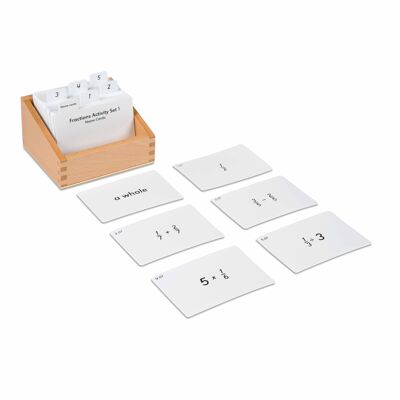
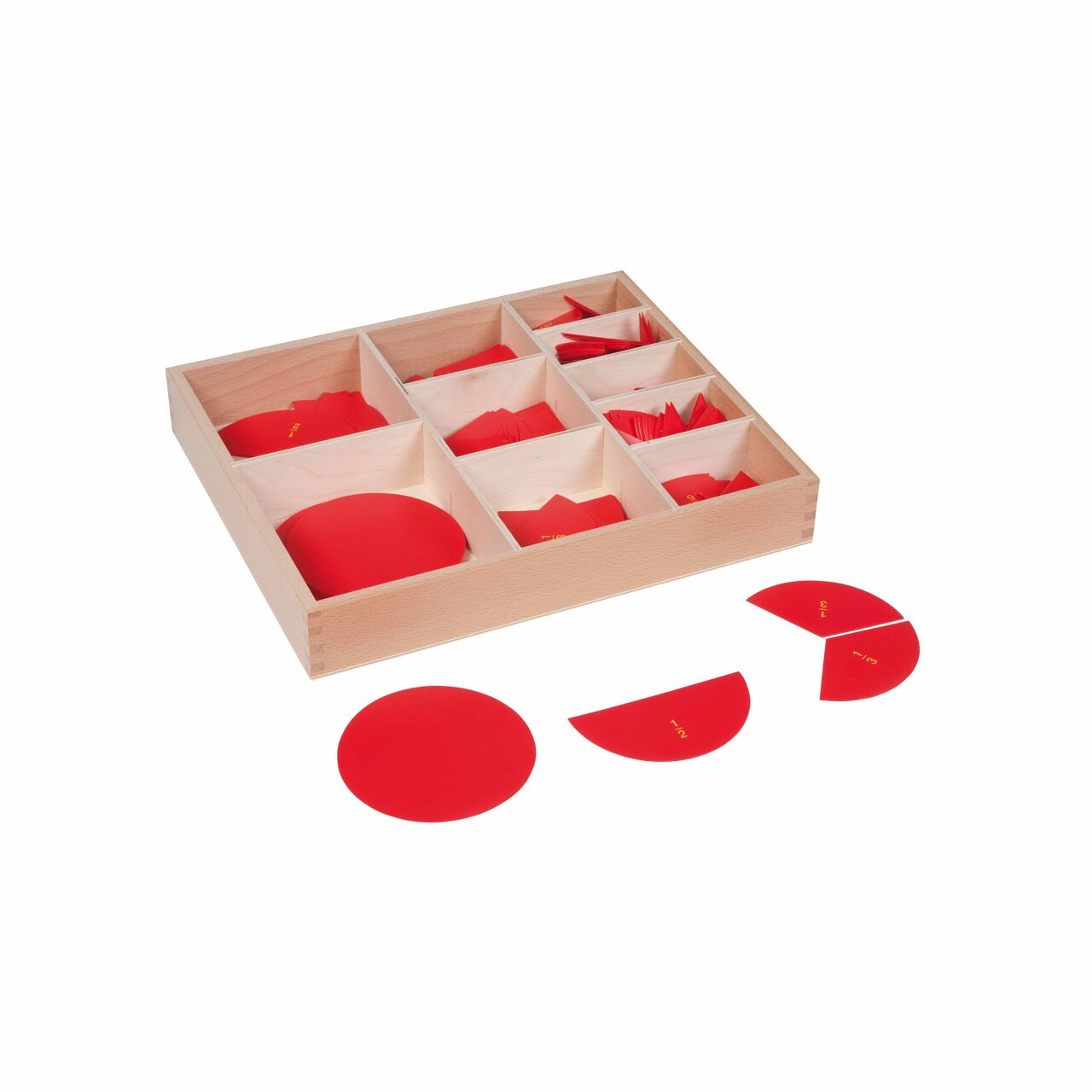
Dec - Fractions

Jan - U.S. Geography

Feb - Ancient Egypt

Mar - Decimals

Apr - Botany II

May - Greek Mythology


Our Botany focus will be on Foraging for herbal medicines and wild edible plants. I think that this will make plant identification much more interesting!

I will continue to offer Friendly Letters as a Special subject. Because of the U.S. Geography focus, this is the perfect year for children to have a pen pal.

I'd also like to do a field trip series where we visit Local Artists. The children will really enjoy seeing their studio spaces and hearing about their process!


If you know about our school year flow, you'll know that this means that the Class Play theme will be Fractions (that will be so fun for the children to write!) and the History Fair will be Ancient Egypt. Our final collaborative tapestry will be Greek Mythology. The topic will be the story of Persephone.


This post contains affiliate links to materials I truly use for homeschooling. Qualifying purchases provide me with revenue. Thank you for your support!

Grade Four Main Lesson Blocks

Given that I have the freedom to combine elements of Montessori and Waldorf education, a lot of people have asked me what main lesson blocks I chose for each grade level. Here is what we've done over the past 5 years.

Grade Four Main Lesson Blocks

Sep - Landforms & Water Features

Oct - Zoology I

Nov - Norse Mythology

Dec - Class Play - Norse Mythology


Jan - Local Geography, History & Industry

Feb - Timeline of Life (1st & 2nd G.L.)

Mar - Fractions

Apr - Personal Narratives

May - Zoology II

Jun - Tall Tales


If you're lesson planning, don't forget that I have Ruzuku courses for many of these main lesson blocks (linked above) PLUS an Immersive Experience which contains all of my notes for the year (and you can ask me questions) here:


Fourth Grade Immersive Experience

$375.00

cohort limited to 15 people
3 spaces already taken


Saturday, February 7, 2026

Grade Three Main Lesson Blocks (Parts I & II)

Given that I have the freedom to combine elements of Montessori and Waldorf education, a lot of people have asked me what main lesson blocks I chose for each grade level. Here is what we've done over the past 5 years.

Grade Three is a special situation. As with a lot of parents, I felt pressure to start my child in Grade One at the age of 6. However, in Waldorf education, Grade One is begun when a child is 7. The Grade Three curriculum is then specifically designed to meet the developmental needs of children who are 9, which is a milestone called the Nine-Year Change. So what to do?

What I did is that I slowed down the Grade Three curriculum and we spent two years on Grade Three blocks. This actually works out perfectly for Grade Three, since this year is all about hands-on life skills. It's really nice to have enough time for a project like a Three Sisters Garden or a Cob Bread Oven!


Grade Three Main Lesson Blocks (Year I)

Sep - Cordage

Oct - Clocks & Calendars

Nov - Shelters

Dec - Class Play - Legends of Mongolia


Jan - Story of Written Language (4th G.L.)

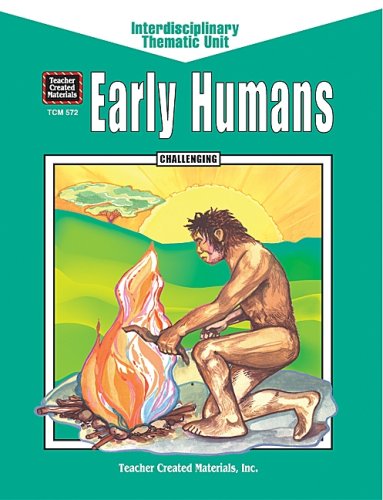
Feb - Early Humans (3rd G.L)

Mar - Currency

Apr - Gardening (Three Sisters Garden)

May - Baking (Cob Bread Oven)

Jun - Stories of Household Items


For Science Club that year, we did Building projects and participated in the Great Carbondale Pumpkin Race and the Great Cardboard Boat Regatta!


Grade Three Main Lesson Blocks (Year II)

Sep - Fibers & Clothing

Oct - Stories of Creation

Nov - Grammar

Dec - Class Play - Grammar's Garden


Jan - Old Testament Stories II

Feb - Foods of the World I

Mar - Planting a Dye Garden (Cotton, Flax, Indigo)

Apr - Old Testament Stories III

May - Building a Tree Squirrel Playground

Jun - Foods of the World II


The Science Club theme was Spy Science & Magic Tricks! We also visited a small local farm each month, which I prefer over a traditional Farming block.


If you're lesson planning, don't forget that I have Ruzuku courses for many of these main lesson blocks (linked above) PLUS an Immersive Experience which contains all of my notes for the year (and you can ask me questions) here:


Third Grade Immersive Experience

$375.00

cohort limited to 15 people
8 spaces already taken


Grade Two Main Lesson Blocks

Given that I have the freedom to combine elements of Montessori and Waldorf education, a lot of people have asked me what main lesson blocks I chose for each grade level. Here is what we've done over the past 5 years.

Grade Two Main Lesson Blocks

Sep - Lowercase Letters (Chancery Script)

Oct - Famous Inventors

Nov - Column Algorithms (Place Value)

Dec - Class Play - Aesop's Fables & Puppetry

Jan - Jataka Tales

Feb - Shapes & Number Patterns

Mar - Word Families (SWI)

Apr - Native American Legends

May - Stories of the Saints


If you're lesson planning, don't forget that I have Ruzuku courses for many of these main lesson blocks (linked above) PLUS an Immersive Experience which contains all of my notes for the year (and you can ask me questions) here:


Second Grade Immersive Experience

$375.00

cohort limited to 15 people
7 spaces already taken


Grade One Main Lesson Blocks

Given that I have the freedom to combine elements of Montessori and Waldorf education, a lot of people have asked me what main lesson blocks I chose for each grade level. Here is what we've done over the past 5 years.

Grade One Main Lesson Blocks

Aug & Sep - Form Drawing

Oct - Quality of Numbers

Nov - Capital Letters I

Dec - Festivals


Jan - Capital Letters II

Feb - 4 Seasons

Mar - 4 Operations (Math Gnomes)

Apr - 12 Archetypal Professions

May - 4 Elements


If you're lesson planning, don't forget that I have Ruzuku courses for many of these main lesson blocks (linked above) PLUS an Immersive Experience which contains all of my notes for the year (and you can ask me questions) here:


First Grade Immersive Experience

$375.00

cohort limited to 15 people
14 spaces already taken


Signs of First Grade Readiness (PDF)


Friday, February 6, 2026

Geologic Timeline

In February, our main lesson block topic is the Montessori Second Great Lesson: The Coming of Life. To begin, we first went over the formation and layers of the Earth, and then what was living on the planet during the Precambrian Time and the Paleozoic, Mesozoic, and Cenozoic Periods.

To help students understand the scale for all of this, we looked back at the 2026 Timeline of Life calendars which we made in December.

On Thursday, the students wrote down their first, second, and third choices for their report topics. Each person will make a backboard for just one of the Geologic Periods. We will be spending the next two weeks on these, and then putting them all in chronological order for the parents to walk through at the History Fair!

Here, if you're not familiar with it, is the terminology for the time periods:

Eon
Era
Period
Epoch
Old Periods

Phanerozoic
Eon

541 mya to Present

Cenozoic Era
66 mya to Present

Quaternary

2.58 mya to Present

Holocene
.012 to present

Quaternary

2.58 mya to Present

Pleistocene
2.58 to .012 mya
Pliocene
5.3 to 2.58 mya

Tertiary

66 to 2.58 mya

Miocene
23 to 5.3 mya
Oligocene
34 to 23 mya
Eocene
56 to 34 mya
Paleocene
66 to 56 mya
Mesozoic Era

252 mya to 66 mya
Cretaceous 145 mya to 66 mya
Jurassic 201 to 145 mya
Triassic 252 to 201 mya
Paleozoic Era
541 to 252 mya
Permian 299 to 252 mya
Carboniferous 359 to 299 mya
Devonian 419 to 359 mya
Silurian 444 to 419 mya
Ordovician 485 to 444 mya
Cambrian 541 to 485 mya
Precambrian Time
4,600 to 541 mya
Ediacaran Period 635 to 541 mya
Proterozoic Era 2,500 to 541 mya
Archaean 4,000 to 2,500 mya
Hadean 4,600 to 4,000 mya


The links in the table above are to fossils-facts-and-finds.com, where you can learn about each section of time. The children will be using their books on Geologic Time for their research. There is one per period. Here is a FREE sample in PDF form: The Cretaceous Period. As a Montessori teacher, these books by Doug and Claudia Mann are invaluable! Illustrated by David Cobb.


This post contains affiliate links to materials I truly use for homeschooling. Qualifying purchases provide me with revenue. Thank you for your support!

Monday, February 2, 2026

Philosophy: Pleasure vs. Happiness

Last Thursday we had discussion #2 for the Philosophy topic of Happiness (see Here Comes the Sun for discussion #1).

Discussion topic: what is the difference between pleasure and happiness?

I kicked things off by reading We Were Tired of Living in a House by Liesel Moark Skorpen.

Then I put forth this proposal: pleasure is short-term, but happiness is long-term. Each of the places the children tried to live in felt good in the moment -- and each had its little pleasures -- but ultimately they wanted to go back home and live in a house again.

I also explained the difference between a debit card (the cup of chips) vs. a credit card (the empty lid).

With a debit card, you are pulling from something. Money is in the bank.

With a credit card, you have nothing. The lid is empty. You are borrowing money and promising to pay it back. And then the bill comes in the mail!

Shopping feels good in the short term (pleasure) but long-term happiness comes from not having a huge amount of debt hanging over your head.

ALL of the children had seen a credit card, but NONE of them had ever seen a credit card bill. So I printed out a few of my Discover card statements over the years, enough for them to each have two bills to look at. I let them find and circle the following things on the bills, starting with the older one.

    date

    interest rate

    total amount of interest paid year-to-date

    credit score


Then I asked them to compare the two bills and let me know their general observations. I explained all about credit score (from 300 to 850... a higher number is better) and interest rate (where a lower number is better).

Then I had everyone go around and read off the New Balance amount.

They realized that the balance had changed very little over the years. I explained that when you have a large balance at a high interest rate, if you make only the minimum payment, most of that payment goes to the interest and it barely knocks down the principal. This is even more true if you continue using the card. Lastly, I drew their attention to this little box:

Imagine how it would feel to still be paying your credit cards at the age of 90! It was a very important lesson for them, and I think it had a big impact.

To me this lesson perfectly summarizes the difference between pleasure and happiness. What do you think?


This post contains affiliate links to materials I truly use for homeschooling. Qualifying purchases provide me with revenue. Thank you for your support!

Saturday, January 31, 2026

Art History - Eva Hesse

In my 2025-2026 school year plan, I decided that our February artist would be Eva Hesse. (Here's the complete list of all the artists we've learned about so far.) Here are some resources and my planning notes:


Eva Hesse
1936 - 1970

Eva Hesse: Sculpture

see also Eva Hesse


also

Eva Hesse documentary (2016)
for teacher background
FREE with a Kino Film Collection one week trial

    if you're interested in Sol LeWitt's entire letter to Eva Hesse, it is here, performed by Benedict Cumberbatch (this is NOT for children)


Eva Hesse on How to Be an Artist

Classroom Resource Sheet: Laocoön, 1965-66 (PDF)
Allen Memorial Art Museum, Oberlin College

Study for Sculpture, 1967
National Museum of Women in the Arts

Expanded Expansion, 1969

The Afterlife of Eva Hesse’s “Expanded Expansion”
Guggenheim Museum

These Sculptures Changed What Art Could Be, Then Changed Themselves
The New York Times - Jul 19, 2024


The Encyclopedia of Artists


volume 3


week of Feb 2:

Wed

    quick overview of Eva Hesse's life (I didn't show any of her art)

    open-ended unconventional materials & texture exploration

      we called this game "Factory Trash Pile"

      I set out the following for them to explore:

      clear contact paper
      onion skins
      balls of yarn
      pile of yarn & wool scraps
      metal shower curtain rings
      Cheerios
      bubble wrap
      dot matrix printer paper edging
      construction paper
      origami cranes
      pens / pencils / markers
      kitchen countertop samples
      plastic Easter eggs
      colored cardstock with words (old Montessori grammar work)

    they were allowed to do whatever they wanted with these materials; one child immediately opened up all the pens to take the springs out!


Thu

    read from Eva Hesse on How to Be an Artist

    Lesson #1: If you’re stuck, try new materials and methods

    Lesson #2: Embrace the absurd

    Lesson #3: Explore your materials with spontaneity

    Lesson #4: Practice fearlessness


week of Feb 9:

Mon

    see what the children recall about Eva Hesse's life

    listen to excerpt of Sol LeWitt's letter (NOT the whole letter)
    from 2:04 to 3:30

    make bad art!
    old file folders that are headed for the recycling bin
    and cheap art supplies (Crayola crayons & markers)


Tue

    activity inspired by Laocoön (1965-66)

      watch an excerpt from The French Taunt from Monty Python
      (3:40 to 6:18)

      explain the Trojan War and read the story of Laocoön from
      "A Fairy-Tale War," chapter 11 of A Child's History of the World by V.M. Hillyer

      ask children to imagine Eva Hesse's Laocoön sculpture,
      then show them and read from the Visual Analysis (PDF)

      opposites:
      geometric vs. organic
      uprightness vs. parasitic dragging downward

      explore these opposites by creating an upright sculpture
      using a vintage building supply
      then compare the effect of evoking snakes with finger knitted lengths of yarn versus dot matrix printer paper edging


Thu

    activity inspired by Hang Up (1966)

      look at the following from Eva Hesse, pp.166-175:

      Tomorrow's Apples (5 in White) (1965)

      2 in 1 (1965)

      C-Clamp Blues (1965)

      Up the Down Road (1965)

      Eighter from Decatur (1965)

      Top Spot (1965)

      Untitled (1965)

      Hang Up (1966)


      how can you define "absurd" in one word?

      read from Eva Hesse, p.59

      use old coat hangers and try to create absurd work that breaks out of the frame, extending into the surrounding space

      we thought it would be really fun to use a coat hanger as the frame because then you could "Hang Up" your sculpture!


week of Feb 16:

Mon


Thu


This post contains affiliate links to materials I truly use for homeschooling. Qualifying purchases provide me with revenue. Thank you for your support!

Thursday, January 29, 2026

Steam Engine Notes

We are wrapping up the first half of Local Geography & History (Southern Illinois) with a look at the importance of the railroad. In the second half, which I am combining with Personal Narratives, we will look at Industry.

Week One - Illinois State Symbols, Glaciers & Dinosaur Fossils

Week Two - Rivers & Drainage Basins, New Madrid Seismic Zone

Week Three - Mound Builders, Louisiana Purchase, Lewis & Clark

Week Four - Founding of Carbondale, Illinois Central Railroad


The railroad has been an interesting topic for kids. After reading portions of Illinois Trails & Traces: Portraits and Stories along the State’s Historic Routes (pp.171-179 and also the profile of Milton McDaniel), the children had lots of questions about how steam locomotives work. How did towns spring up along the train routes, and why did the trains specifically need water towers?

Today we are watching sections of this video on how a steam engine works, reading Locomotive by Brian Floca, and looking at a sheet of stamps for the 150 year anniversary of the completion of the Transcontinental Railroad.

just a reminder that the lines shown snaking across the country are telegraph lines, not telephone lines

here are my notes on teaching Morse Code to children


Below I have organized my notes as to the sections of the steam locomotive video that I thought would be most accessible for ages 8-11. I am also starting by reminding the class that the Big Boy was the world’s largest and most powerful steam train! It is much larger than the locomotive in Locomotive, but the mechanisms of the steam engine are largely the same.

    Begin video at 0:00

    STOP after
    “There’s a steam dome at the top where steam collects and flows out of the boiler.”

    JUMP to 7:05

    STOP after
    “Water flowing into the boiler must be pumped or injected in to overcome boiler pressure.”

    JUMP to 10:00

    STOP after
    “The piston and valve continue their synchronized movements, exchanging fresh superheated steam for spent exhaust, as the train chuffs down the track.”

    JUMP to 25:15

    STOP after
    “It’s covered with critical instruments, gauges, knobs, and more.”

    JUMP to 33:05 and watch to the end


We are extremely excited to have Daniel Overturf -- the photographer for Illinois Trails & Traces: Portraits and Stories along the State’s Historic Routes -- come in as a special guest on Monday to talk about Illinois rail history more with the children, and explain how the author and he organized all of this extensive information (which includes railroads but also land travel in Illinois more generally) into a 10 chapter book! Note: Their previous book together, A River Through Illinois, covered the main Illinois waterway.


This post contains affiliate links to materials I truly use for homeschooling. Qualifying purchases provide me with revenue. Thank you for your support!

Wednesday, January 28, 2026

Grapefruit


Yoko Ono
1933 -


Grapefruit: A Book of Instructions and Drawings by Yoko Ono

(a collection of instruction pieces from 1961-1964)


We read through this yesterday and loved so many of them!!! But these are the ones that the children feel are most doable in the school environment:


TAPE PIECE I

Stone Piece

Take the sound of the stone aging.


TAPE PIECE II

Room Piece

Take the sound of the room breathing.

    1) at dawn
    2) in the morning
    3) in the afternoon
    4) in the evening
    5) before dawn

Bottle the smell of the room of that particular hour as well.


TAPE PIECE III

Snow Piece

Take a tape of the sound of the snow falling.
This should be done in the evening.
Do not listen to the tape.
Cut it and use it as strings to tie gifts with.


TAPE PIECE IV

Moving Piece

Take a tape of the sound of the stars moving.
Do not listen to the tape.
Cut it and give it out to the people on the street.
Or you may sell it for a moderate price.


COLLECTING PIECE

Collect sounds in your mind that you have overheard through the week. Repeat them in your mind in different orders one afternoon.


BEAT PIECE

Listen to a heart beat.


SNOW PIECE

Think that snow is falling.
Think that snow is falling everywhere all the time.
When you talk with a person, think that snow is falling between you and on the person.
Stop conversing when you think the person is covered by snow.


PAINTING FOR THE WIND

Cut a hole in a bag filled with seeds of any kind and place the bag where there is wind.


SHADOW PIECE

Put your shadows together until they become one.


PAINTING TO SHAKE HANDS
(painting for cowards)

Drill a hole in a canvas and put your hand out from behind.
Receive your guests in that position.
Shake hands and converse with hands.


PAINTING TO BE CONSTRUCTED IN YOUR HEAD

Observe three paintings carefully.
Mix them well in your head.


PEA PIECE

Carry a bag of peas.
Leave a pea wherever you go.


CONVERSATION PIECE

Bandage any part of your body.
If people ask about it, make a story and tell.
If people do not ask about it, draw their attention to it and tell.
If people forget about it, remind them of it and keep telling.
Do not talk about anything else.


CLOUD PIECE

Imagine the clouds dripping.
Dig a hole in your garden to put them in.


LAUNDRY PIECE

In entertaining your guests, bring out your laundry of the day and explain to them about each item. How and when it became dirty and why, etc.


MASK PIECE

Wear a blank mask.
Ask people to put in wrinkles, dimples, eyes, mouth, etc. as you go.


NAME PIECE

Change your name by the period of your age.
By the year.
By the day.
By occasions.
By the color of your dress.


NUMBER PIECE I

Count all the words in the book instead of reading them.


NUMBER PIECE II

Replace nouns in the book with numbers and read.
Replace adjectives in the book with numbers and read.
Replace all the words in the book with numbers and read.


DOOR PIECE

Make a tiny door to get in and out so that you have to bend and squeeze each time you get in... this will make you aware of your size and about getting in and out.


WATCH

Draw a large circle in the sky.
Let us know the diameter of the circle (guess), direction and the color of the sky you were watching and the duration of your watching experience.


COUNT

Count the clouds.
Name them.


This post contains affiliate links to materials I truly use for homeschooling. Qualifying purchases provide me with revenue. Thank you for your support!

Tuesday, January 27, 2026

Math Game - Divvy Up

Right now the older students are working on Long Division. In the Montessori math progression, this is usually done first with the Golden Beads, then with the Stamp Game, and finally with the Racks & Tubes.

Now we are doing it with abstraction (which I refer to as simply using logic).

Once you've done the Racks & Tubes, the algorithm makes so much sense!

Rather than wait until the children had mastered it all to introduce a Long Division game, I went straight into a game. The whole class played against me! That incentivized them to learn the steps in the algorithm more quickly, in order to make predictions and decide on a winning strategy.

Here is the game:

click on image to enlarge


I found this loose paper in my teacher stash, but I don't know what book I pulled it out of. Sorry!

Divvy Up is a cousin to the Dice Game, which we use every year to reinforce Place Value. And the children have loved it. You can play this game with either a six-sided or ten-sided die. I think 10 is more fun. However, I asked the children if a zero came up to just re-roll. I didn't want to chance a zero in the divisor (which is undefined).


Tips: Because it is too easy to end up with the exact same problem when using a two digit dividend, I let them use a three digit or four digit dividend. And I HIGHLY recommend having children do long division on graph paper to help keep the place value lined up. I like these math journals:


Tomorrow's math game: Remainders Wanted!


This post contains affiliate links to materials I truly use for homeschooling. Qualifying purchases provide me with revenue. Thank you for your support!

Monday, January 26, 2026

Knitted Doll (Grade 4)

It's very cold and snowy here today, so I finally finished up my knitted doll!

In my Handwork Teacher Training, this was suggested as a third grade project, but I think it works really well in grade 4 as part of the Zoology block (to go with chapter 1 of Kovacs). A doll + wardrobe are the final patterns in A First Book of Knitting for Children, but I particularly like this one because it encourages children to make their dolls unique.

It also goes spectacularly well with the Kovacs chapter, and I really noticed the children looking at human proportions to see how big to make the head and how long to make the arms.


Thank you to Nicole for this "pattern" and the lovely wording!


you will need worsted weight yarn in a variety of colors (shoe color, clothing colors, skin color, hair color, accessory colors) and corresponding knitting needles

    "I can't give you a pattern for this because people are different sizes"

    "we come in all different colors and so do our dolls”

    "we come in all different sizes and so do our dolls”


you will begin at one of the doll’s feet

cast on 12 stitches

knit until the leg is as long as you would like, then cast on for a second

knit second leg, then join them by knitting across all rows

knit torso as long as you want it to be

knit the head smaller — fewer stitches, fewer rows — than you did the torso

k2tog across the entire row, then use the gathering stitch to complete the head

now you will make two arms

cast on 10 stitches for arms in shirt color

knit until the arm is as long as you would like, switch to hand color at end of arm and then use the gathering stitch to complete the arm

notes:

    for a smaller doll, cast on 10 instead of 12 stitches for the legs (in which case use 8 stitches instead of 10 stitches for the arms)

    for a variety of textures, you could use garter stitch for skin but use stockinette stitch (knit a row, purl a row) for the shoes and clothing

    the doll can be made so that he/she is completely clothed already (for slower knitters) OR made with skin and undergarments like tights/undies and then you can have fun inventing and knitting separate clothing and accessories

    do NOT make the doll all in skin color such that he/she is naked


This post contains affiliate links to materials I truly use for homeschooling. Qualifying purchases provide me with revenue. Thank you for your support!

Sunday, January 25, 2026

Poisonous or Venomous?

Maybe you already know that Seth Meyers has spent a lot of time on this. But just recently, a Jackal wrote in with the best explanation I've ever heard... and since it's good to know when teaching Zoology (grade 4) and Botany (grade 5), I thought I would share it!

If you bite it and you die, it's poisonous.

If it bites you and you die, it's venomous.


Another tip for poisonous is to think about Snow White and the apple.

And for venomous, someone pointed out that the letter V looks like fangs!

the poisoned apple for Snow White
(I needle-felted this back in April 2016)

Thursday, January 15, 2026

Here Comes the Sun

We began our new Philosophy topic, Happiness, yesterday by listening to three versions of this song:


Many thanks to Marietta McCarty for this fun way to introduce the topic!


Next, we used Marietta's ideas from Little Big Minds to frame our discussion.


I began by having the children define Happiness by drawing a picture (no words) in their Philosophy journals. Here are some notes from our chat:

What is happiness?

    it's an emotion that makes you feel good inside

    I drew a birthday party

    for me, there's a specific thing I do that makes me feel happy inside: swimming in the lake with my dad in the summer when it's hot

    it makes me feel warm inside


What are the ingredients of a happy life?

    love

    excitement

    freedom

    being able to have fun, and not have a million things to do and not have time to have fun... fun & freedom

    you also need to take care of your body

    kindness, joy, peacefulness


What is the difference between pleasure and happiness?

    I have another ingredient for having a good life. Sometimes you have to do chores because you don't want your sink to get piled with dirty dishes. You don't have this big weight on your body every time you go into the kitchen.

    Pleasure is doing something that you like. Happiness is also doing something that you like. I don't know...

    When you eat really delicious chocolate. It doesn't make me happy but it's pleasurable.

    Pleasure comes when you do things. But you don't really have to be doing anything to feel happy. It's more passive.


Do you think that everyone in the world can be happy?

    They can but they usually aren't. Some people don't accept it.

    Some people don't give it, and they don't let the people around them have happiness. But there's enough room for everybody to have happiness.

    It's possible, if we have a better government. You could be starving, and then you wouldn't be happy, but if you had a good government then they would give you charity funds which would give you food.

    Sometimes I think there's different kinds of happiness. The feeling of having food and knowing you can just have food. And then, even if you don't have food, you can still in a way be happy since there's public parks. You could probably play with other children.


That feeling is called security. Is security a kind of happiness?

    Yes, in its own way.


Do you need security in order to feel happiness?

    There are people who are secure who are not happy. There are people who are not secure who make the best of their situation. It seems like it has a lot to do with your mindset, whether or not you allow yourself to feel happy or not. Some people have the possibility but things get in the way.


Can you make yourself be happy? What shifts a bad day for you?

    If I read a really good book or find a new way to get to the top of the tree.

    If I have a really bad day, if it's sunny and windy and warm, I just go outside.

    The most recent horrible days I've had are because I'm bored. The thing that turns that around for me is a really long and big project that's really complicated but I can do it without getting frustrated. I can keep having ideas. I have something to do that I love.

    Usually it's when I'm really bored and then I get really angry, so I go outside. I read a book. Get a picnic blanket and I just lay down on the picnic blanket and read the book.


Do people think that there's a thing to buy that will make them happy?

    When I buy something like a new pair of shoes, I get my heart set on it being amazing and so wonderful. And then when it isn't amazing or so wonderful, then I'm really disappointed. And I hate that. So I've been working on trying to get my heart not set on things. But now I have my heart set on not having my heart set on things.


[ Then I introduced the idea of Stoicism. ]

Some philosophers in the past had the idea, and I want to see what you guys think about it, that the key to happiness just taking everything as it comes very calmly. You wouldn't have to experience deep sadness or disappointment, but you also then wouldn't be able to get really excited and joyful when the good things happened. You are the mountain, and your feelings are the weather. It just comes and goes. It doesn't matter. So don't get caught up in it.

If you just had that steady calm, would that be happiness?

    I think that a perfect life would have some lows but that would allow us to have highs too. If you don't clean your house and do chores, then you'll just be always upset. So you have to do some uncomfortable things to have the high things. Once you clean your house, you're proud of yourself and then you can do other things because now you can actually get to your closet. In order to have happiness or excitement, you also have to do the bad things.

    I don't believe that. With the highs, come the lows. I personally like to be able to be really excited. I think it's worth it to be disappointed to have those, "yes, I'm so excited!" moments. Just because you might not like the "uh" moments, is it really worth it to give up the fun ones too?

    But you can't really sustain a level of excitement. Those high highs don't last very long.


Is something that comes and goes so quickly really real?

    You could have a fly that was born yesterday and dies tomorrow, that comes and goes really quickly but it's still real.


This post contains affiliate links to materials I truly use for homeschooling. Qualifying purchases provide me with revenue. Thank you for your support!