Showing posts with label grade 7. Show all posts

Tuesday, May 19, 2026

Resources for Animal Reports

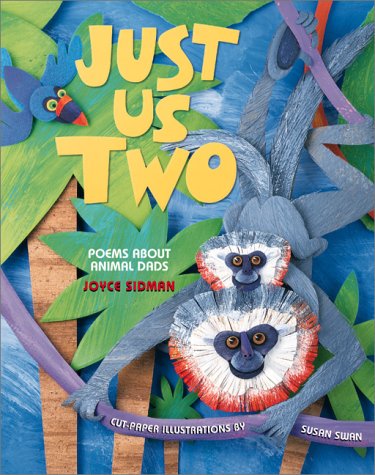
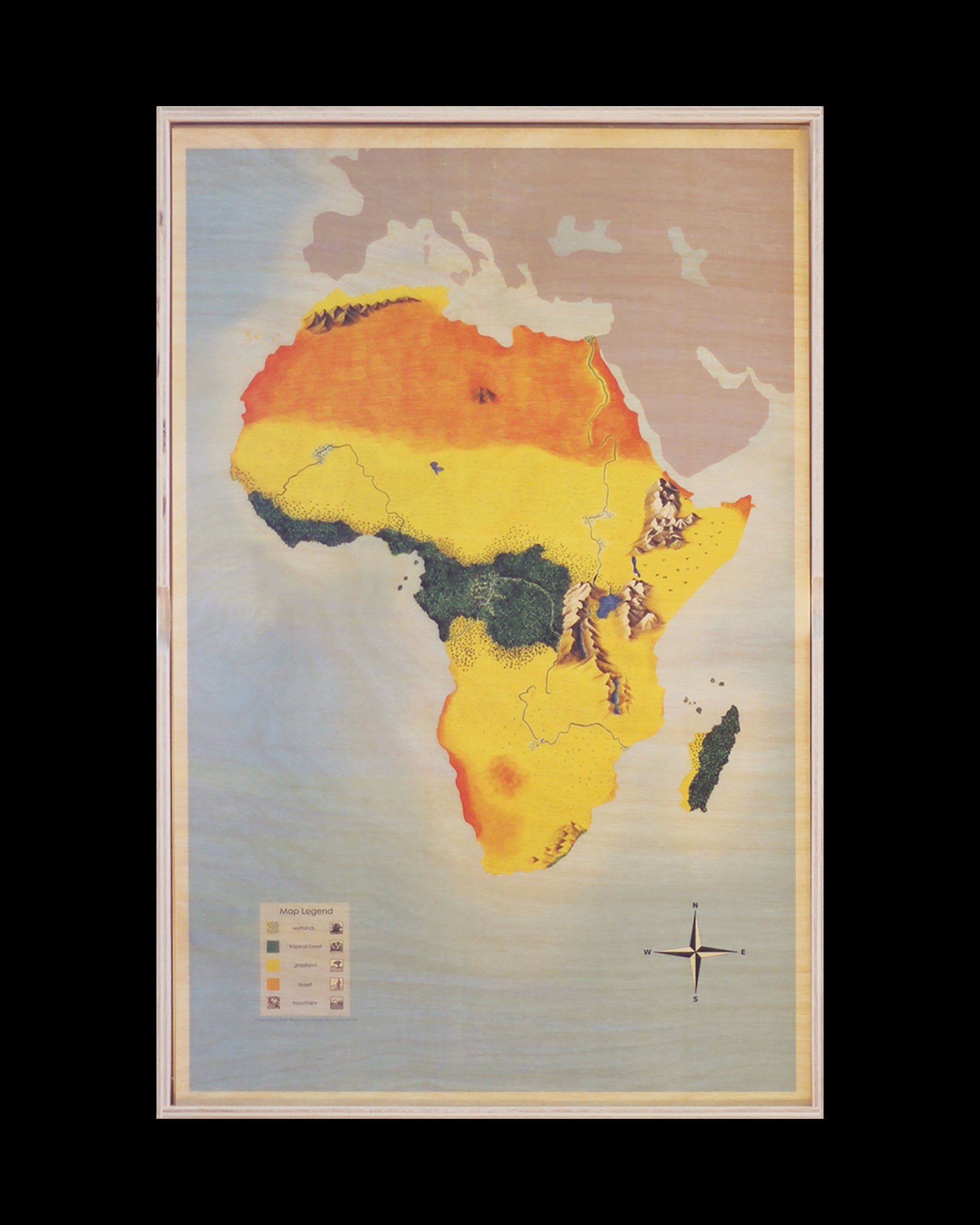
It is Animal Report time again! Everyone is required to do a report on an African animal (including a map using the beautiful Africa Stencil) and then, if they wish, they can do a second report on any animal of their choice.


As children choose their animals, I will keep track of their resources here:

AR - African Bush Viper


EO - Leopard


EF - Ostrich


AAR - Impala


AAR - Klipspringer


Z - Fennec Fox


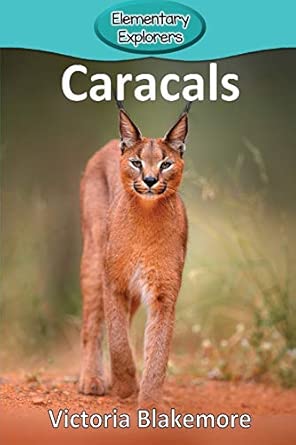
FR - Caracal

    International Wildlife Encyclopedia, vol. 3

    Caracals by Victoria Blakemore

CB - Flamingo


Useful blog posts that I've written specifically to help with this project!


This post contains affiliate links to materials I truly use for homeschooling. Qualifying purchases provide me with revenue. Thank you for your support!

Saturday, May 9, 2026

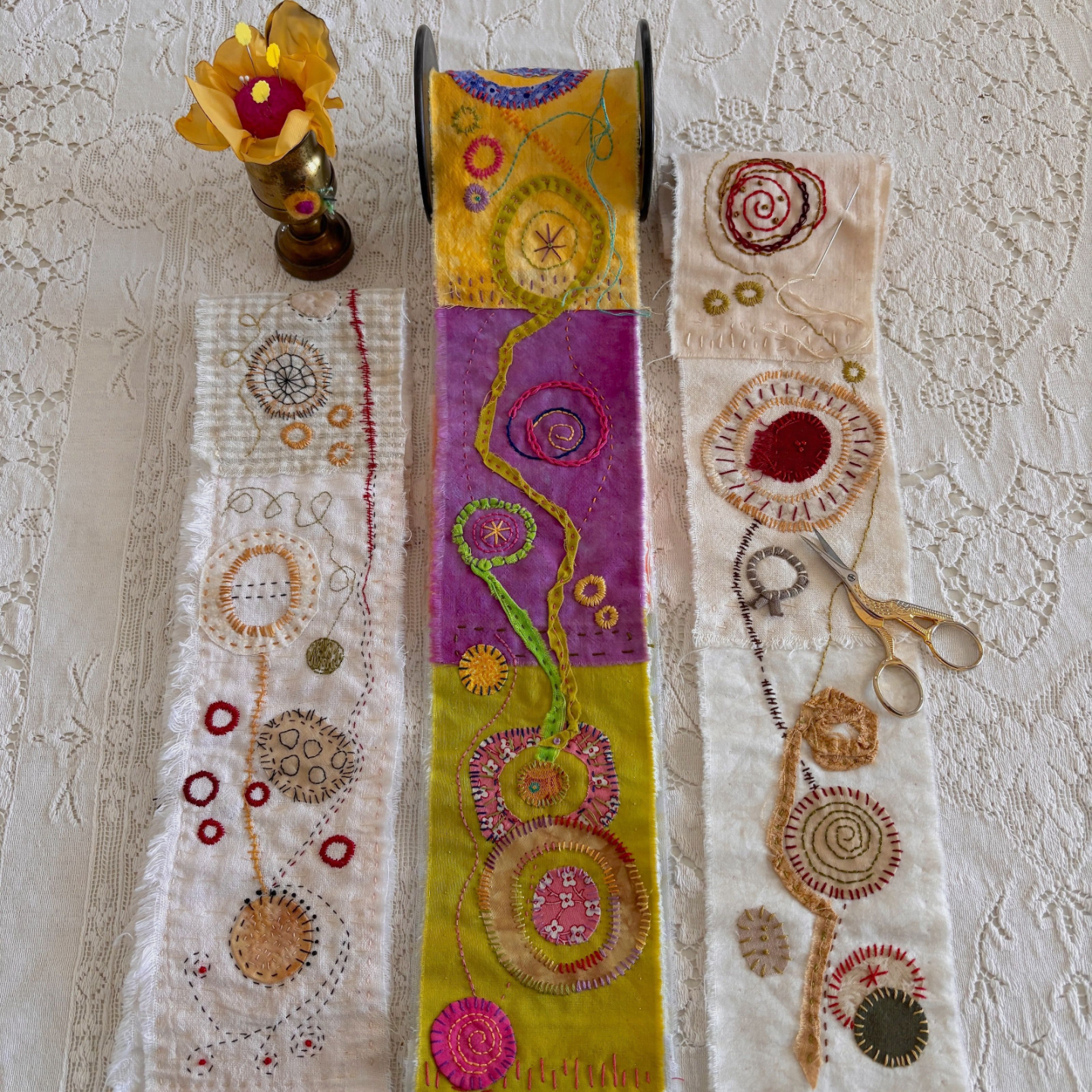
Handwork Series - grade 7

I have been wanting for a while to do a series of posts on my suggestions for Handwork in each grade. So I will work on that now! These are my own ideas of what to do when, partly informed by my Handwork Teacher Training (Fiber Craft Studio, Threefold Educational Center, Spring Valley NY) and partly by what I think works well from personal experience in the classroom.

a beautiful final project done by one of my friends in the training!


~ ~ ~ ~ ~


Here are all of the blog posts in my Handwork Series:

Handwork Series - K

Handwork Series - grade 1

Handwork Series - grade 2

Handwork Series - grade 3

Handwork Series - grade 4

Handwork Series - grade 5

Handwork Series - grade 6

Handwork Series - grade 7

Handwork Series - grade 8


~ ~ ~ ~ ~


Now on to my grade 7 notes. I'll update them if I come up with new ideas:


embroidery

    sashiko / visible mending
    Sashiko-Inspired Mending with Jujizashi

    Mend and Embellish with Needle Felting and Embroidery
    from "Making Zen" May 2025 with Betz White

    The Living Line: Marking Days with Dots
    from "Making Zen" May 2026 with Jeri Bellini

    a lovely meditative daily practice!


story quilt (Booklist for Story Quilts)


wet felting slippers or vessels


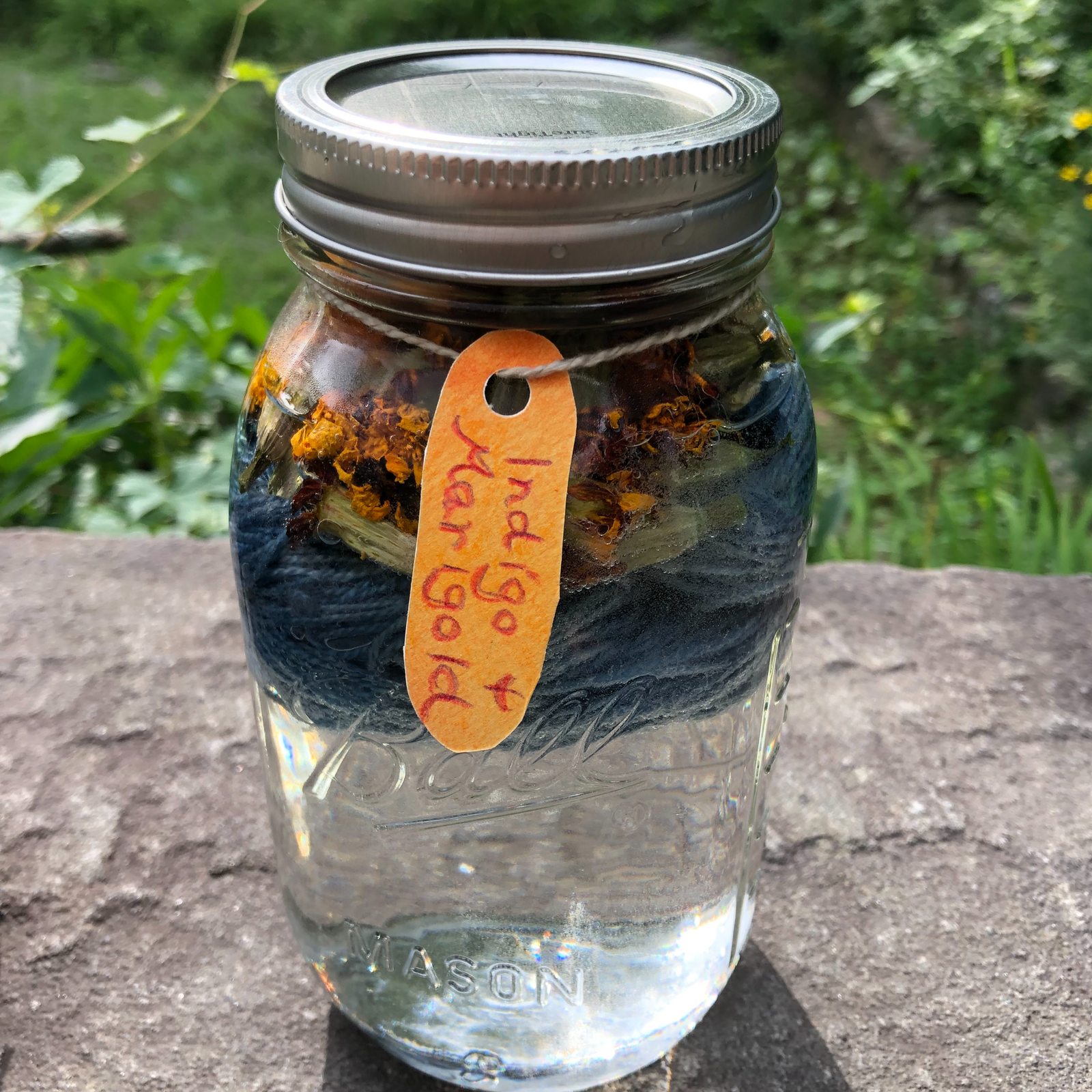
dyeing with natural dyes

    a nice connection with grade 7 Ratios


Cyanotype Printing on Fabric
from "Making Zen" Oct 2025 with Madge Evers


paper marbling and bookbinding


Grade 7 is famously open-ended and a bit tricky for Handwork teachers! I've also heard of Waldorf teachers doing copper hammering or leather working.


~ ~ ~ ~ ~


The A to Z of Slowstitch
2026 year-long project by k3n clothtales

A lot of inspiration here for grade 7!

I'll keep track of these YouTube videos as she releases them:


This post contains affiliate links to materials I truly use for homeschooling. Qualifying purchases provide me with revenue. Thank you for your support!
Tuesday, April 14, 2026

Educational Game: Robbin' Eggs!

I'm adding this math game to my series of posts about Educational Games!

previous posts:


Today I'm writing about Robbin' Eggs! by Haywire Group.


Here is a video tutorial on Robbin' Eggs!

Sadly, this game is no longer being made but it is well worth tracking down. Many thanks to my co-teacher, Ms. Megan, for recommending it to me!

I use it in the classroom after introducing negative numbers with Gnoming A Round and a hands-on manipulative (we use the Mortensen math material).

When children are ready to think of subtracting as adding a negative, we play Robbin' Eggs!


In the Waldorf scope & sequence, integers are part of grade 7 Algebra. In his middle school book, Jamie York strongly recommends starting children out with the idea of a bank account instead of a number line.

When you enter deposits and withdrawals into the bank, the bank keeps track of them. Each new transaction is a line item (addition means "and"). For a withdrawal, you are adding a negative amount. If you spend more than you have, you have a negative balance! If you deposit funds into the bank, sometimes you still have a negative balance (if it wasn't enough to bring you out of the red) and sometimes you have a positive balance.


Note: After playing Robbin' Eggs!, I have children practice adding and subtracting integers with a traditional worksheet (FREE at TpT).

While talking about this worksheet with a student the other day, I realized something: subtraction is always rewritten!

    subtracting a positive number is rewritten as adding a negative

    subtracting a negative number is rewritten as adding a positive


This post contains affiliate links to materials I truly use for homeschooling. Qualifying purchases provide me with revenue. Thank you for your support!

Tuesday, March 31, 2026

The Immune System week 3

Today was a great Science Club session! We meet for two hours each week; here is what we did for the third week of the Immune System:

read from Bill Nye the Science Guy's Great Big Book of Tiny Germs

    We're Outnumbered!, pp.4-5

    do Metric Stair activity
    from gigameter to nanometer; "Grey Mat for Metric Measurement" handouts plus the Nienhuis Montessori place value colored pencils

    dark green, dark blue, and red for whole numbers

    light green, light blue, and pink for decimal fractions

    this activity is a wonderful introduction to negative exponents!


    Bacteria: They're Old and Tough, p.8 and p.10

    do balloon / vanilla extract experiment


    Viruses: The Enemy That Gets Within, pp.12-14

    do balloon / skewer experiment


    Germs Get Around!, p.17

    look at doubling cube from Backgammon game


    What's in a Vaccination?, pp.34-35


lay out nomenclature for Immune System from ETC Montessori


read from Daring Cell Defenders by Rebecca L. Johnson


This post contains affiliate links to materials I truly use for homeschooling. Qualifying purchases provide me with revenue. Thank you for your support!

Saturday, March 14, 2026

Live Stream in the Namib Desert

Today the YouTube algorithm gave me an unexpected gift, a live stream in the Namib Desert!


I had to make myself a note of it, because the Namib Desert is specifically mentioned in the Biome Cards made by Waseca Biomes. In the Waldorf scope & sequence, a study of the continent of Africa is traditionally done in 7th Grade.

Leah's lovely poster on Madagascar!


Here are some posts you may find helpful if you are teaching about Africa:


Africa: A Guide for Teachers and Families

by Betty Staley


This post contains affiliate links to materials I truly use for homeschooling. Qualifying purchases provide me with revenue. Thank you for your support!

Monday, December 29, 2025

Charcoal Burners

Zac and I are continuing to read Swallows and Amazons on our vacation, and I just discovered a lovely chapter about Charcoal Burners. It's chapter XIII, and is very helpfully called "The Charcoal-Burners"!

There's also a little bit about them in the previous chapter, "Leading Lights":

    Suddenly high in the darkness they saw a flicker of bright flame. There was another and then another, and then a pale blaze lighting a cloud of smoke. They all looked up towards it as if they were looking at a little window, high up in a black wall. As they watched, the figure of a man jumped into the middle of the smoke, a black, active figure, beating at the flames. The flames died down, and it was as if a dark blind were drawn over the little window. Then a new flame leapt up and again the man was there, and then that flame died like the others and there was nothing but the dark.


I mention this excerpt (and the following chapter, of course) because charcoal is a subject that we study in middle school in Waldorf. Chemistry, in grade 7, would be the most likely time. In fact, I recently talked with a 7th grade Waldorf teacher in Ireland that made char cloth with his class.

If you study the American Revolution in grade 8 (The Age of Revolution), charcoal would fit in perfectly here as well. Who can forget the 1776 song between Abigail and John Adams about saltpeter and pins?

The three ingredients for black powder are sulfur, charcoal, and saltpeter.

Of these, you have to mine sulfur, but you can make charcoal and saltpeter yourself with a little know-how!


Besides having a story you can use to tell children about charcoal burning, visuals are also nice. So I thought about the living history programs done by the BBC. Zac watched the first three of these when he was nine.


TV Shows - age 9
Secrets of the Castle (medieval France under King Louis IX, 1230s & 40s)
Tudor Monastery Farm (England, Tudor period, King Henry VII, 1500)
Tales from the Green Valley (Wales, Stuart period, King James VI/I, 1620)


We have not yet done the other three, but I watched them on my own:
Victorian Farm
Edwardian Farm
Wartime Farm


Because charcoal burning was such a key profession, they often mention it in these programs. For Tales from the Green Valley, it is in the May episode (3:54:05 - 4:01:37).

It is also covered in Edwardian Farm, in a longer segment which I can't seem to find right now! If someone knows of a link to it, please let me know.


Fun fact: Swallows and Amazons also has a lot of sections in it about reading a barometer, so I've addded them to my Barometer blog post!


This post contains affiliate links to materials I truly use for homeschooling. Qualifying purchases provide me with revenue. Thank you for your support!

Thursday, November 6, 2025

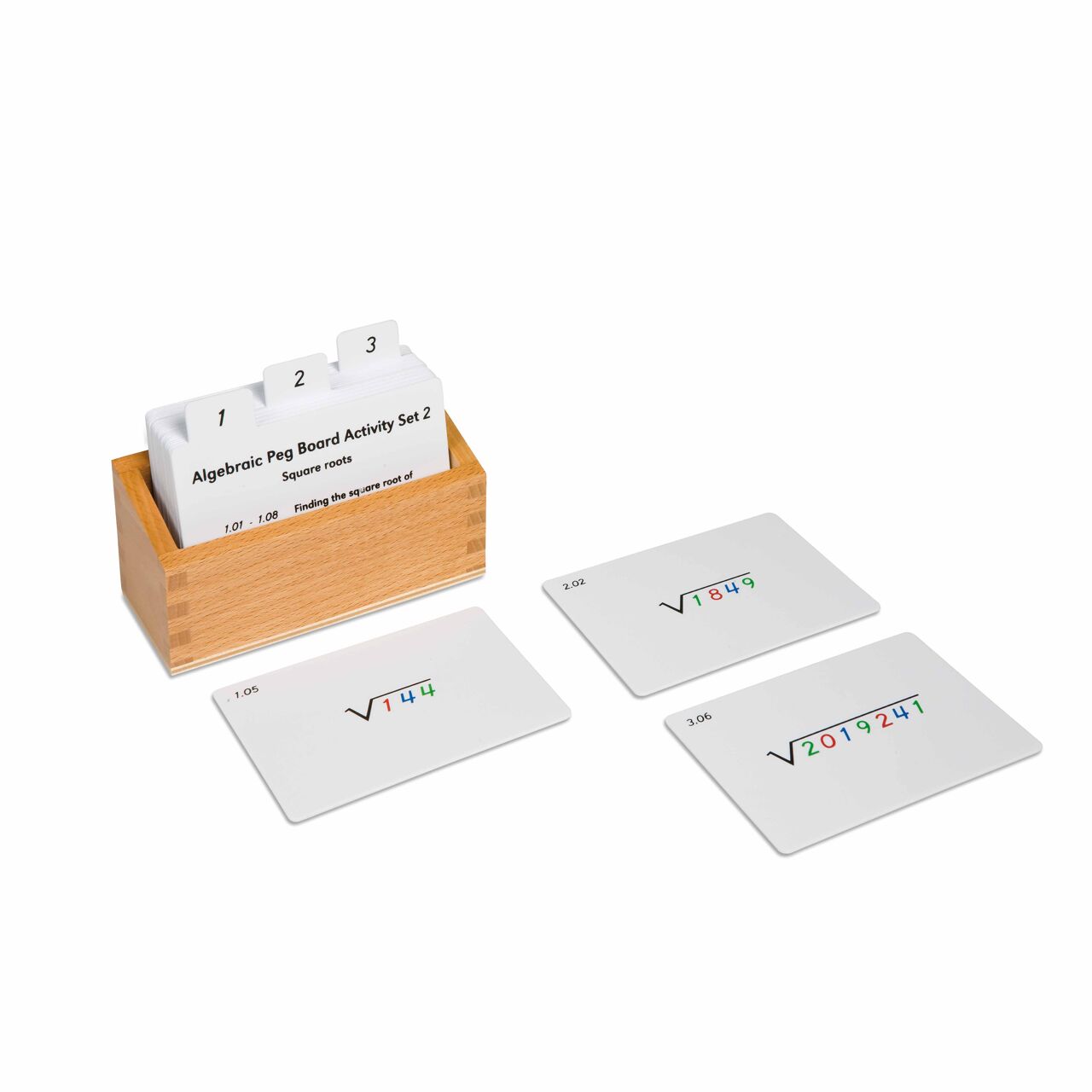
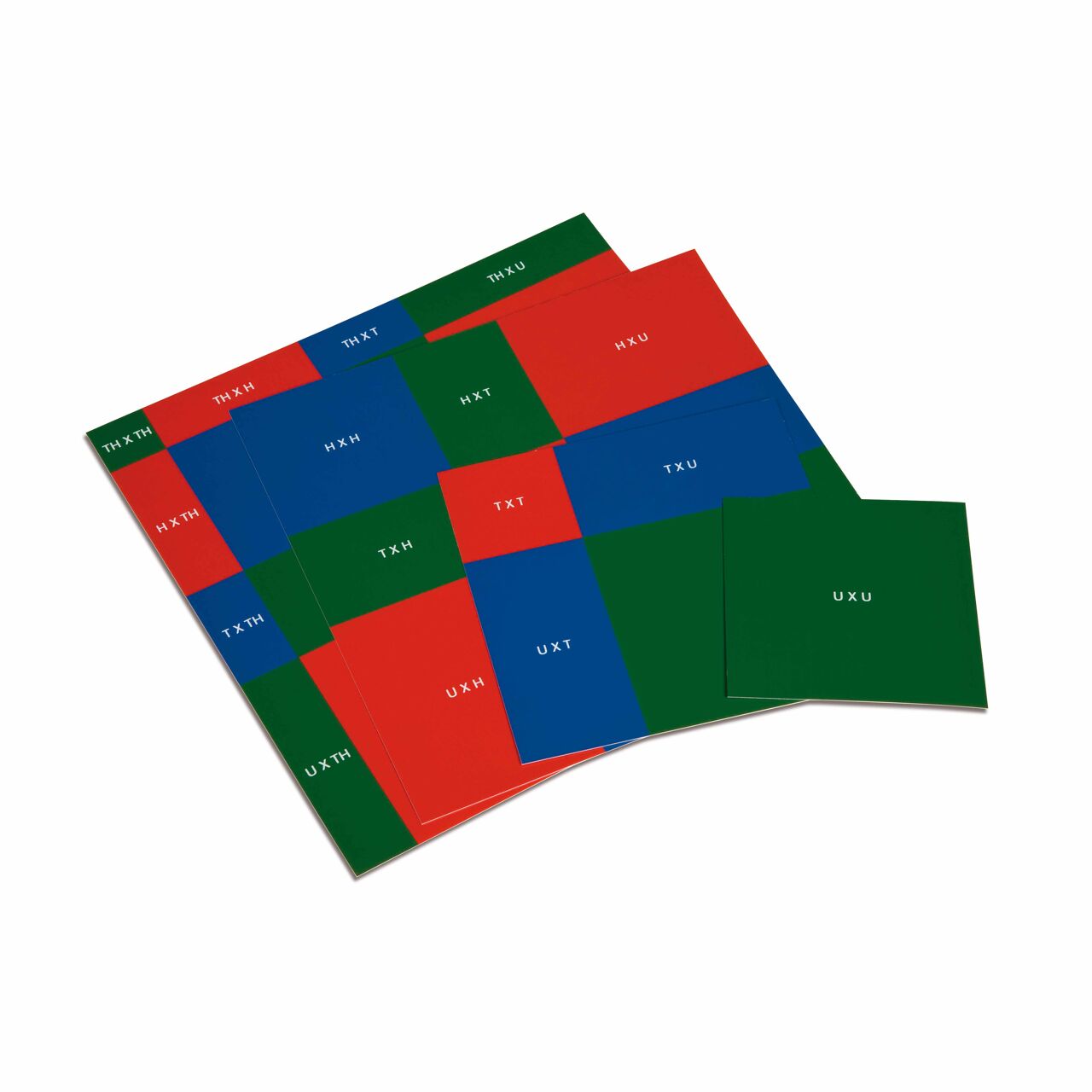
Algebraic Peg Board

This is one of the materials I purchased for my homeschool co-op because I knew the Montessori Lower Elementary classroom at my old school had it...


But I've yet to find a good way to work it in to the lessons I give here. So I'm researching options for the Algebraic Peg Board. Here's what I found!

Factoring
sample problem: find the factors of 18

    < factor >
    < factory >
    < benefactor >


Finding LCM on Peg Board
sample problem: find the lowest common multiple of 9 and 15


Multiplication on Peg Board - Single Digit Multiplier
sample problem: 423 x 6


Multiplication on Peg Board - Double Digit Multiplier
sample problem: 1457 x 23


Multiplication on Peg Board - Triple Digit Multiplier
sample problem: 2548 x 321


Squaring Binomials
sample problem: 342 = (30 + 4)2


Real Square to Symbolic Square on Peg Board
sample problem: 142 = (10 + 4)2 = 102 + 2 (10 x 4 ) + 42

    a2 + 2ab + b2


Squaring Trinomials
sample problem: 2432 = (200 + 40 + 3)2


Square Root of a Number Any Size Using the Peg Board
sample problem: find the square root of 625


Note: In the Waldorf scope & sequence, advanced 7th graders learn the algorithm for finding the square root of any size number! Jamie York walks you through teaching the algorithm step-by-step in his middle school book.


This post contains affiliate links to materials I truly use for homeschooling. Qualifying purchases provide me with revenue. Thank you for your support!

Wednesday, July 23, 2025

SWI Investigations

Since I'm on vacation, and can't write a ton of posts about what we are doing in the classroom, I'm taking requests for topics! One thing that has come up lately is Structured Word Inquiry (SWI). Once you get past using Engage with the Page (the lovely picture book and lesson plan ideas from Fiona Hamilton... see below) as a starting point, how do you have the confidence to dive into an inquiry? What if your child asks you about a word? What if you wonder something about a word? What exactly do you do?


A Spoonful of Frogs: A Halloween Book for Kids

by Casey Lyall

video of the author reading the book

lesson plan idea for the < -ful > suffix


So here's a list of blog posts and other resources I've found around the Internet that thoroughly talk about one SWI investigation, soup to nuts.

We will start with two graphics from some SWI courses I've taken, and a picture of me with Doug Harper (we met at a SWI conference in Chicago IL). I was sooo excited to meet the author of etymonline!

from Real Spelling

from Pete Bowers

me being excited about SWI!


Sample investigations that may be helpful:

< companion >
from Mary Beth Steven


< condensation >
PDF from Pete Bowers


< doctor >
from Mary Beth Steven


< hear > and < heard >
from Mona Voelkel


< imagine >
PDF from Pete Bowers


< ion >
from Mary Beth Steven


< likeable >
from Mary Beth Steven


< pneumonia > and < pneumatic >
my blog post


< pros > and < cons >
from Mary Beth Steven
also includes
< explosion >
< constantly >


< rodent > and < dentist >

my blog post


Tricky Words – Here We Go Again!
from Mary Beth Steven
< accommodate >
< kaleidoscope >
< ceiling >
< patience >


I highly recommend Mary Beth Steven's blog if you're interested in SWI. Loved her post on Renovating the Weekly Spelling Test!


This post contains affiliate links to materials I truly use for homeschooling. Qualifying purchases provide me with revenue. Thank you for your support!

Friday, July 18, 2025

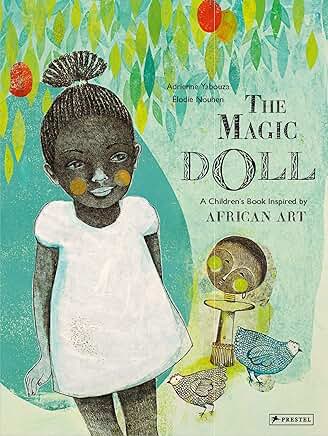
Children's Books Inspired by Famous Artworks

Just discovered something!

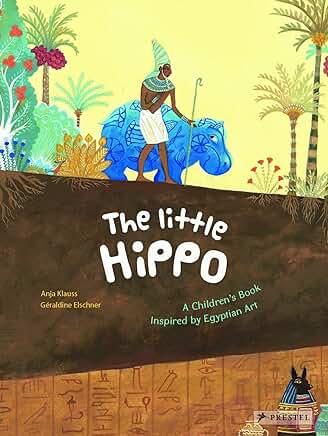
As part of working on my Ancient Egypt Ruzuku course, I purchased two picture books recommended by Lotus Stewart from Art History Kids. (Yes, I have over 30 books about Ancient Egypt, but I'm always down for more!)

One I didn't like at all and the other was just so-so. I sat down to write reviews for both of them on Amazon.

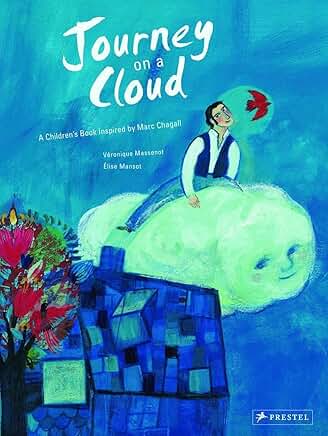
As I was trying to articulate my thoughts about The Little Hippo, I realized that it's not really a book about Ancient Egypt and therefore wouldn't be very useful for this block (which Waldorf does in grade 5). It's really better for a Creative Writing block (which Waldorf does in grade 7), because it takes a piece of artwork and imagines an entire fantastical world behind it. And that reminded me of a book I bought for Marc Chagall.

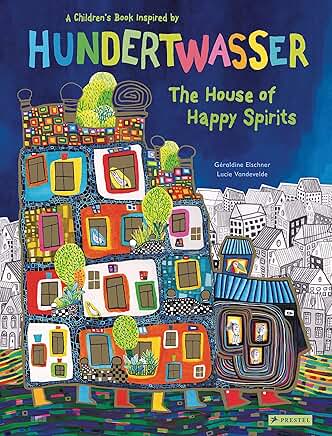
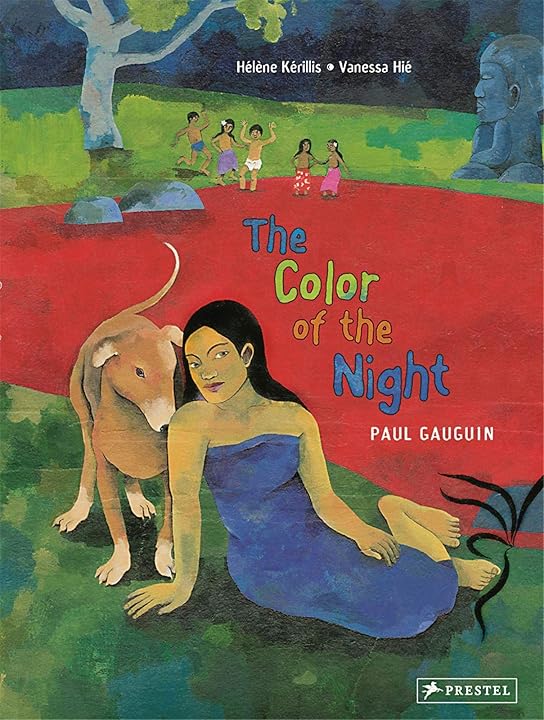
So I went and dutifully added these notes to my Creative Writing webpage, so that I would remember them a few years from now, and that's when I realized something. Not only were both these books translated into English from French, both titles had the same thing in parentheses behind them (Children's Books Inspired by Famous Artworks).

That means a series!

A series that I could use in both Art History and Creative Writing!

Of course, I immediately had to look up what else was in the series and make myself a list. Here goes:


Thank you so much to those who wrote alerting me to titles I had missed!


This post contains affiliate links to materials I truly use for homeschooling. Qualifying purchases provide me with revenue. Thank you for your support!