Showing posts with label math facts. Show all posts

Monday, April 13, 2026

Fraction Skill-Building

After our Introduction to Fractions in March, we will work during April and May on skill-building. Children will continue to add concepts to their MLBs.

The Introduction to Fractions needs to be done very slowly and carefully to ensure there aren't enduring misunderstandings that show up later on!


I wanted to share the rest of my fractions planning for the year now since it is ready. If I make any changes to this as we go along, I will update it.

You will see that even though we went very slowly at the start, they will end up doing standard fifth grade fraction problems by the end of the ten weeks!


Themes Covered in Week 1

    Mon - K/W/L Chart

    Tue - 1/2, 1/4, 1/8

    Wed - Making Thirds & Halving Thirds

    Thu - Fractions of a Group, Equivalent Fractions (Houses on a Street)


Themes Covered in Week 2

    Mon - Fractions of a Number

    Tue - Puddle Question

    Wed - Reading a Ruler, Fractions in Lowest Terms

    Thu - Build-an-Animal


Themes Covered in Week 3

    Mon - Restaurant Simulation

    Tue - Coins as Fractions & Decimals

    Wed - Basic Operations with Fractions

    Thu - Converting Improper Fractions to Mixed Numbers


Themes Covered in Week 4

    Mon - Converting Mixed Numbers to Improper Fractions

    Tue - Elapsed Time

    Wed - Making Arrays

    Thu - Using Arrays to Simplify Fractions


week of April 6

Mon - Comparing Fractions

    recall Thursday's work with arrays

    look back at Fraction of a Group and find the equivalent fractions (2/4, 4/6) visually but also "prove it mathematically" on the board

    look back at Colorful Fraction Circles and see if you can find the equivalent fractions (4/8, 2/4, 5/10, 2/10)

    have children come up to the board to demonstrate the steps in how to convert each of these fractions to their simplest form

    what happens if you reduce 4/8 by dividing both numbers by 2? nothing, you'll just have to simplify it again by repeating the process

    so if there are multiple things you can divide the top and bottom number by, you should choose the largest one because that'll save you the most time

    notice that a unit fraction (with a 1 on top) is always in simplest form because its only factors are 1, and 1 isn't allowed in factor trees (YCCOM)

    have children work independently on Comparing Fractions worksheet
    https://www.superteacherworksheets.com/fractions/comparing-fractions-tape-diagrams_QWERT.pdf

    for the two equivalent fractions on that worksheet, we then used the chalkboard to "prove it mathematically"

    notice that for 6/8 = 3/4, we divide the top and bottom by 2

    but for 4/5 = 8/10, we multiply the top and bottom by 2

    we can make them larger by multiplying the top and bottom by the same number, and there are times in math when we want to do that!

    it's like Alice in Wonderland; you can make her bigger and smaller by nibbling and sipping, but she's still Alice while her size is changing

    why does it work? remember that the top number is how many and the bottom number is what kind. if you have a plan to eat 5 pieces of cake, but your mom cuts them in half to make twice as many (so now there are 10 and they are smaller) but you just adapt by eating twice as many, you have still had the same amount of cake!

    Arnold Schwarzenegger and the 2 ply toilet tissue fiasco!

    he switched to 1 ply at the government offices in California to save money during the budget crisis, and everyone promptly switched to using twice as much toilet tissue

    "if you're going to give half as much, I'm going to take twice as much"


    Carlyn Beccia book - which 6 of these 9 cures for Wounds worked? that's 2/3!


Tue - Add to MLB

    add the steps in making equivalent fractions to the MLB

    add new observations and new questions about fractions


Wed - Alice in Wonderland

    practice making equivalent fractions by either multiplying the top and bottom number by the same thing or dividing them

    go bigger and smaller just like Alice in Wonderland

    assignment: write three fractions that are equivalent to one another


Thu - Fact Families

    as I watched children working on yesterday's assignment, I realized that the class needed a review of Fact Families

    I had each child just choose a few multiplication facts that they were having trouble with and write out the fact families for them


week of Apr 13

Mon - +/- Fractions with Common Denominators

    have students practice addition and subtraction of fractions with common denominators by creating problems for classmates to solve (an answer key must be provided)

    a fun spin on this is "Secret Code," where the children come up with a fraction to represent each letter of the alphabet and then write a series of math problems for a friend to solve

    the answers to the problems spell out a secret message!

    this works best if improper fractions ("top-heavy fractions") are allowed and the answers do not have to be put in simplest form

    note: a very good way to see if children understand a skill is to have them create their own problems; if children understand that the denominator of a fraction is its name and does not represent an amount, they will resist the temptation to add or subtract them


Tue - Rounding Fractions

    practice Rounding Fractions to 0, 1/2, or 1

    observe, can children visualize the fractions in order to round them?
    who in the group still needs to see them, draw them, or build them?


Wed - Simplifying Fractions Mandala


Thu - "Of" Means "Times"

    explain that, in math, the word "of" means "times"

    sing the song,

      "Multiplying fractions
      Is no big problem
      Top times top over
      Bottom times bottom"

    do Fractions of a Group (a whole number has a denominator of 1)

    write an X over the word "of" to show that it actually means "times," then solve using multplication and simplify using skip counting

    do Multiplying Fractions (notice that the answers are very tiny! 1/3 of 1/4 is 1/12! cut up the Comparing Fractions worksheet to prove this)


week of Apr 20

Mon - First to 50

    play First to 50: Fractions of a Group Game with red counters

    print the 18 cards on cardstock so children can't see through them

    have the children make towers of 10 to easily count their score


Tue - Dividing IS Multiplying by the Reciprocal


Wed - Reciprocals of Mixed Numbers


Thu - Add to MLB

    add adding and subtracting fractions (with common denominators) and multiplying and dividing a fraction by a fraction to the MLB

    add new observations and new questions about fractions


week of Apr 27

Mon - Factor Trees

    read the introduction to YCCOM

    have fun by drawing factor trees and creating the artwork for them!


Tue - Finding the GCF

    do Simplifying Fractions

    how have you been solving these? have you ever found an equivalent fraction but it was still the wrong answer because it wasn't in lowest terms? how can you be absolutely sure you're dividing by the biggest possible number that goes into both, and there are no more steps?

    explain how to write factors in parentheses to find the GCF


Wed - Simplifying Fractions with the GCF


Thu - Add to MLB

    add simplifying by finding the greatest common factor to the MLB
    (use yesterday's worksheet to help you think of examples)

    add new observations and new questions about fractions

    bonus activity:
    write out the factors for the numbers from 1 to 100 in parentheses


week of May 4

Mon - Finding the LCM

    this is it! our final fractions skill! and then you will be able to do anything you ever need to with fractions

    what would happen if we wanted to add fractions from different sections of the box together?

    what if I ate half of my birthday cake during the daytime and then I got really hungry in the middle of the night and went back and ate 1/5 more?
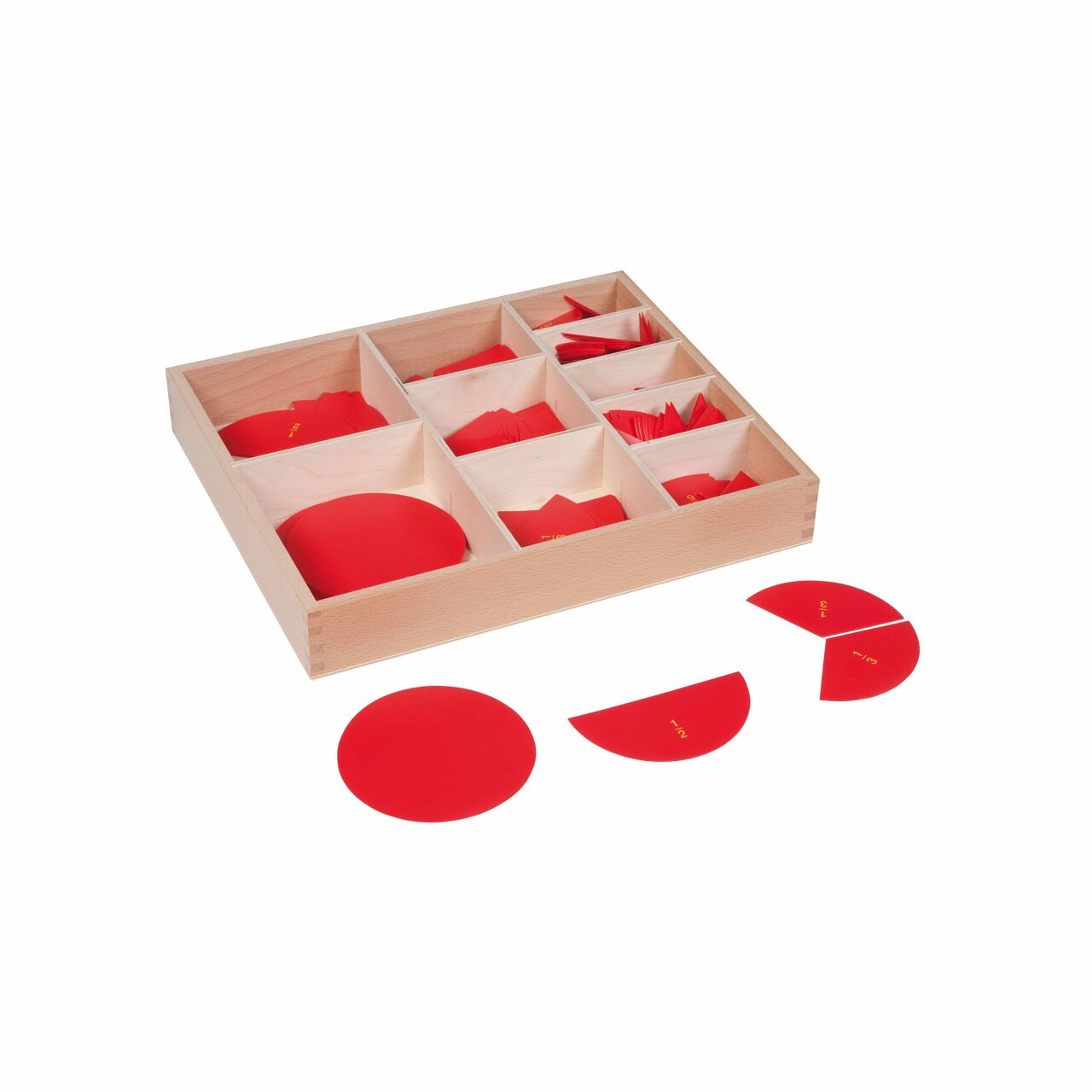
    yes, you could do it... but how would you express the answer?

    if you say well, 1/2 + 1/5 = 1/2 and 1/5 more, then you have basically just repeated the question

    the answer has to have only one denominator; therefore,
    you need those two fractions to share a name before you add them

    is this possible mathematically?

    absolutely! we know how to make fractions smaller by dividing both parts by the same number but we can also make them bigger by multiplying, and the fractions will still be equivalent

    here we need to figure out not what factors but what multiples two numbers have in common (they had trouble with this concept, so we ended up calling it "skip count" instead of multiple)

    as we will still have to simplify our answer at the end of the process, it saves time to go with the smallest common multiple (if I turn 1/2 into 50/100 and 1/5 into 20/100, I will get 70/100 and then reduce... if I turn 1/2 into 5/10 and 1/5 into 2/10, I will get 7/10 right away)

    begin Lowest Common Denominator task cards


Tue - Lowest Common Denominator

    review by doing a problem together on the board

    finish yesterday's set of task cards


Wed - +/- Fractions with Unlike Denominators


Thu - +/- Mixed Numbers with Unlike Denominators


week of May 11

Mon - Add to MLB

    write in adding and subtracting fractions with different denominators to the MLB

    add new observations and new questions about fractions


Tue - Brain Drawings


Wed - Word Problems


Thu - Quiz

    assess the class by giving Fractions Operations Review as a quiz (meaning students have to work independently and without help)

    open book notes are allowed... so, are the notes they put in their MLB helpful to them? does anything need to be revised or expanded before we add the MLBs to the porfolio boxes? if so, update it now


week of May 18

Error Analysis


This post contains affiliate links to materials I truly use for homeschooling. Qualifying purchases provide me with revenue. Thank you for your support!
Friday, July 11, 2025

A Plea for Flashcards

I think summer is a time for living life with the windows open so that you can hear the birds singing by day and frogs peeping by night; playing ping pong, pickle ball, and capture the flag; coming home from the beach and leaving sand in the bottom of the shower; splashing at the pool; cooking with juicy garden-fresh ingredients and eating meals together; playing board games; visiting with family; curling up in a big chair and reading for hours...

But it's also a time for flash cards. Math facts matter. And they should be automatic. And automaticity don't come cheap. You have to put in the time!

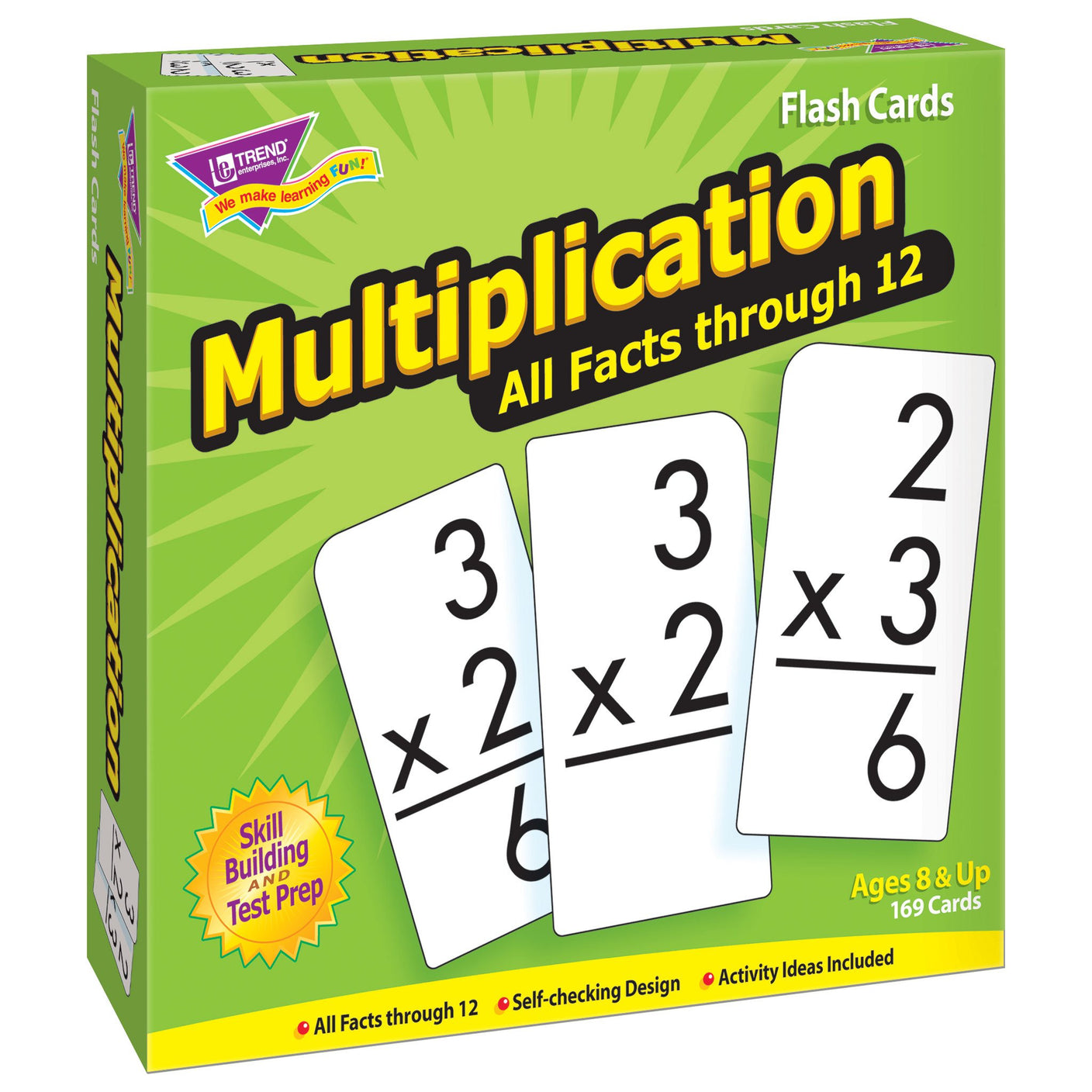
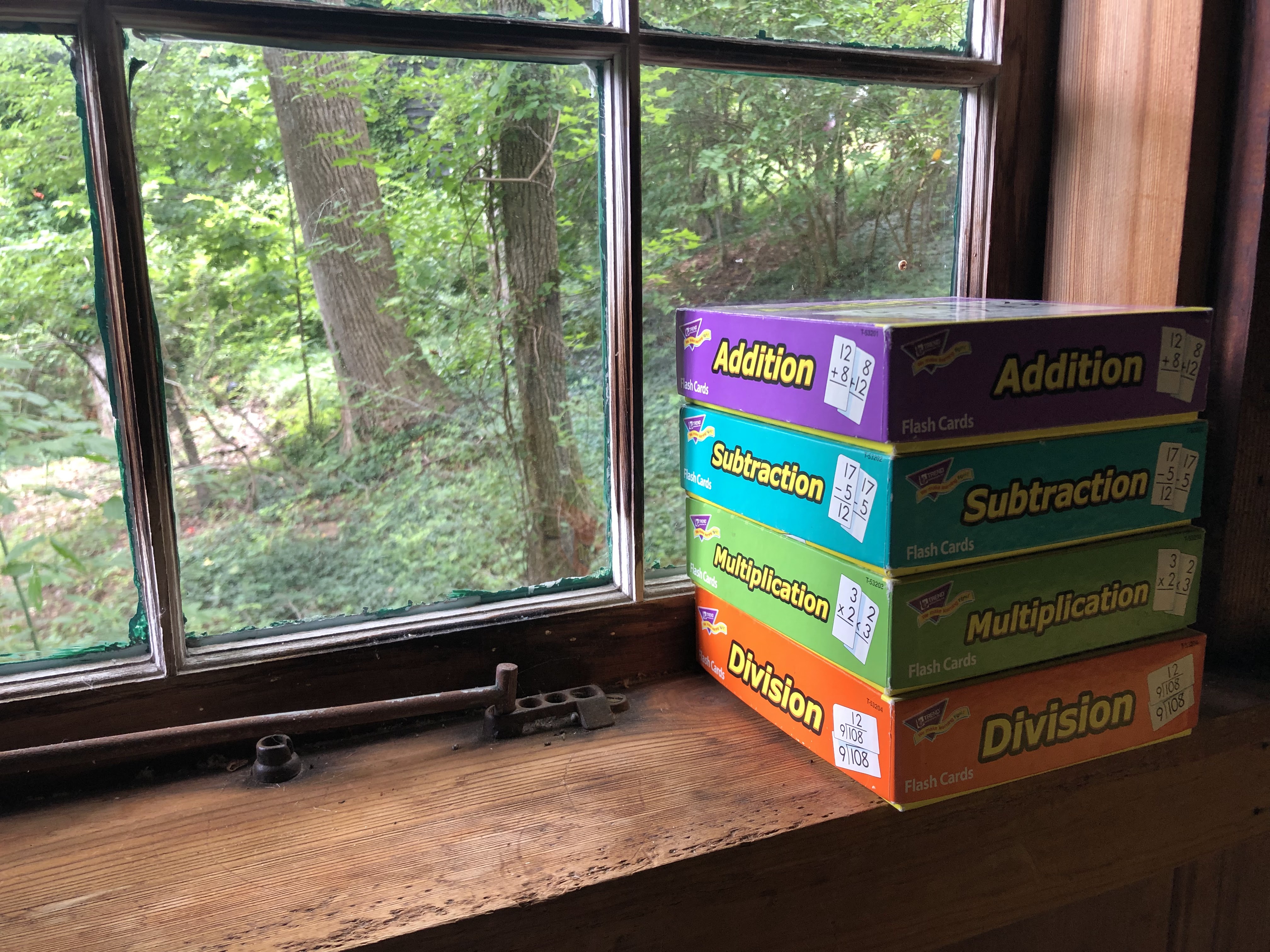
My favorite flashcards:


Did I pack them on my vacation? I did.

I love that each problem has its own card, so you can set aside any that you have memorized... and whittle it down to a short stack of cards you actually need to practice. This is why I think physical flash cards are better than an app on your phone. Having such a short stack is very motivating for kids. Then just do 10 minutes a day of targeted practice with the short stack. You can SEE your success as you move cards out of the rubber banded stack and into the box. Master one box and move on to the next!

There are 169 cards in each box, but my child only needs to practice about 30.


~ ~ ~


Yes, we learn the skip counting songs in second grade, and notice patterns in the numbers, and use the Montessori math manipulatives so that the concepts are concrete and not abstract too early. You can sing skip counting songs and get there eventually. But for speed, nothing works like flashcards.

(I spent 30 years of my teaching career trying to prove this untrue. Couldn't.)


~ ~ ~


"Habit stacking" is when you adopt a new habit by linking it with one you already have down pat. So Zac and I do his flashcards for 10 minutes a day in the evening right before his bedtime story. It's not his favorite thing in the world, but it's time with me and he gets his story afterwards, so it all works out. And he really does love to see that short stack get shorter!


My goal is to persuade you to do flashcards with your child. If that's completely out of the question, you could always flip it around and announce that you want to strengthen your memory and have decided to master your math facts, and you need your child to quiz you for 10 minutes a night.


This post contains affiliate links to materials I truly use for homeschooling. Qualifying purchases provide me with revenue. Thank you for your support!

Friday, April 25, 2025

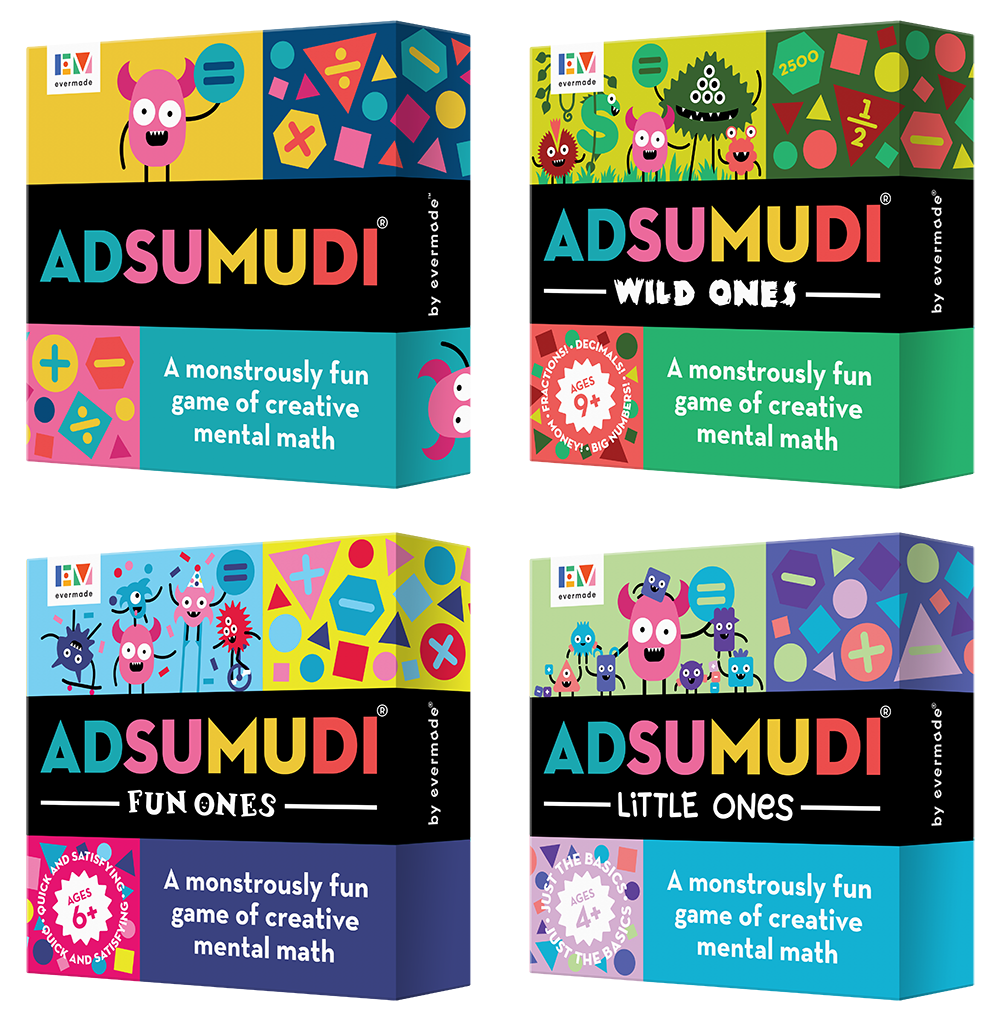
Educational Game: Adsumudi

I'm currently working on a series of blog posts about Educational Games, in case you are looking to add to your collection before the Summer Vacation!

previous posts:


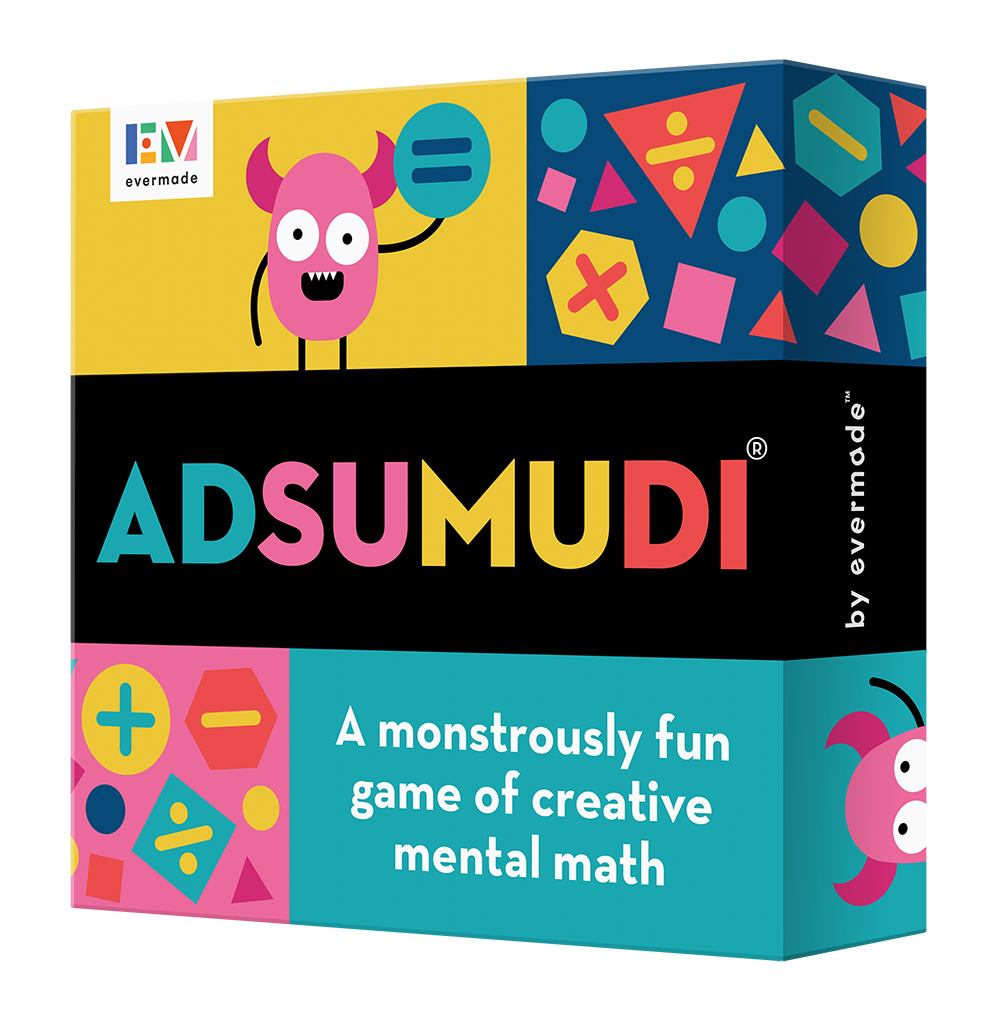
Today I'm writing about Adsumudi by Evermade!

There are other variations available on their website but I haven't yet tried them.


Adsumudi is a fantastic game for mental math using all four operations. The name was created using the first two letters of each word (+, -, x, ÷).

The cards are sturdy and really attractive.

Children of different ages (and adults) can join in simply by playing at different levels. Everyone plays at the level that is right for them!

The goal is to use a combination of operations to arrive at the target number. If you are a beginner, you only have to use 2 of the outside numbers to get to the center number.

24 ÷ 8 = 3


Too easy? For the next level of challenge, you must use 3 of the outside numbers in your solution.

24 - 13 = 11
11 - 8 = 3


To make it harder, use 4 numbers. To make it monstrously hard, use all 5!

Although the game rules state that when you see a way to get to the target number you should yell "Adsumudi," we play that you slap the card when you've found an equation that will work.

Yelling "Adsumudi" doesn't really work in a classroom setting. Slapping the card is also much more satisfying. That pauses the game, and you have a chance to explain your solution. If your math checks out, you win the card. If not, play resumes.

First person to five cards wins!


P.S. This game is also satisfying and fun to play by yourself. See if you can figure out the solution to each card at each level!


This post contains affiliate links to materials I truly use for homeschooling. Qualifying purchases provide me with revenue. Thank you for your support!

Tuesday, January 7, 2025

What IS Multiplication?

Mad Minutes have been going well so far!

I planned to do Addition in Sep and Oct, and Subtraction in Nov and Dec.

These are the files from TpT that I used:


We will do Multiplication in Jan/Feb/Mar and Division in Apr/May/Jun.

My students were okay with the idea of Addition and Subtraction, but they're worried about Multiplication and quite panicked over the idea of Division!

So this month we will start out by just focusing on what IS multiplication? Once students realize that multiplication is just a fast and easy way to do speed addition, I think their fears will melt away.

Montessori & Waldorf both believe in introducing all 4 operations right away when students begin to learn math. Waldorf does it with the Math Gnomes!

Making a Set of Waldorf Math Gnomes: Why & How


Addition
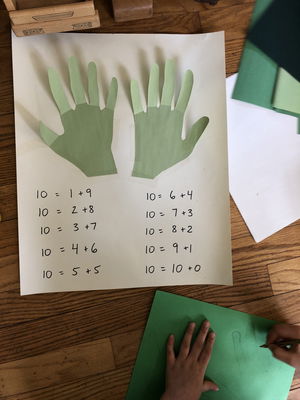
Addition is easy for children, as the plus symbol is basically the word "and".

10 is the same as 1 and 9


Subtraction
Subtraction can be easy when you call it "take away" but I don't introduce it to children that way! This over-simplification causes many problems later on. Then it is MUCH harder to recognize in word problems such as, "How much farther is Paris than Murphysboro?" "Ben had five goldfish and a tiger ate 3" is clearly subtraction. But... so is "How much younger is Zac than Grammy?"

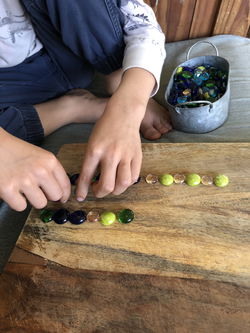
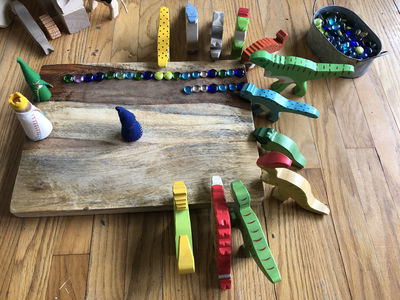
So I talk to children a lot about how subtraction is about finding the difference between two numbers. In fact, the answer to a subtraction problem is literally called the "difference"! You can see this when you make both numbers out of gems, and one line is longer and it sticks out farther. The different part is the bit that sticks out. After a while, people realized they didn't need to make two lines of gems and see how much stuck out. They realized that they could just make the bigger number and remove the smaller number. Whatever is left over... is the difference!

a first grade problem
all the dinosaurs have come to help!


Multiplication
Multiplication is the same amount many times. It's speed addition! The thing that confuses children if you wait too long to introduce Multiplication is that the second number tells you how many times you have the first number. If you do Addition and Subtraction for too long (as the Common Core does), they just expect the second number to be either put together with, or taken away from, the first number. The idea that the second number could have a radically different job is EXTREMELY challenging then for children.

I think it really helps to FIRST ask your child to create a word problem that would be an example of multiplication. Where is it found in everyday life? We know that it is whenever anything comes in sets, like cartons of eggs or packs of gum, but does your child know that? Keep asking them to create multiplication word problems (no need to solve them) until this is simple.


I have also found that children don't automatically understand the relationship between multiplication and skip counting. I think that the book Multiplicando by Howard Schrager (author of LMNOP and All the Letters A to Z for the Capital Letters block and King Maximo and the Number Knights for the Quality of Numbers block) helps to make this connection more explicit.


Multiplicando

by Howard Schrager


I plan to actually read Multiplicando as part of our Mad Minutes time, since he introduces each line of the multiplication table with its own short chapter. For each set of number facts we will also sing that skip counting song.


I really like Aurora Lipper's FREE lesson where you have a child highlight all the times tables that they do know, and realize how few they actually need to memorize! Once you know the patterns in the 9s and have learned a few skip counting songs (3s and 4s), it's usually just the square numbers plus two or three more.

It is pretty inspiring! I'd like to do it at the beginning of January and again at the end of March. To do this activity at home, you would need a printed out 10x10 multiplication table, a highlighter, a piece of paper, and a pencil.


Then watch Aurora's video! I actually know a trick for 7 x 8, so that leaves only TWO that you have to straight-up memorize. For 7 x 8, think of a dance teacher counting out the beat before the dance begins... 5, 6, 7, 8.

56 is 7 x 8!


I have a few more resources from TpT that I'd like to use as we work on memorizing multiplication facts. "Which multiple does not belong?" is such a fabulous idea for building number sense, and I'm really excited about it!

Which multiple does not belong?
Genius!


I plan to kick things off with a simple x0 Mad Minute first.


In January & February, we will use Multiplicando and the Skip Counting Songs and Which Multiple Does Not Belong? exercises, and go through the same part of the times table all together. I want to make sure everyone is exposed to all of it.

week of Jan 6 - x0, x1
week of Jan 13 - x10, x5
week of Jan 20 - x2, x3
week of Jan 27 - x4

week of Feb 3 - x6
week of Feb 10 - x7
week of Feb 17 - x8
week of Feb 24 - x9


When it comes time for the students to practice their multiplication tables, I really like this super-flexible Mad Minute option that allows children to just put in the multiple they are working on. I love that they get to set their own goals... and that I don't have to keep track of a million pieces of paper. I also like that she puts the blank in two different places in the problem!

In March, the children can then work on the table that they are personally stuck on. And I can just print out the same PDF for each child each day!


Once children know their multiplication tables, they will realize that the division fact practice will be very easy! It's really the same thing.

Understanding multiples is also extremely useful for understanding percents, which Waldorf does in 6th grade as part of the Business Math block.


This post contains affiliate links to materials I truly use for homeschooling. Qualifying purchases provide me with revenue. Thank you for your support!

Wednesday, April 17, 2024

Operations with Positive and Negative Numbers

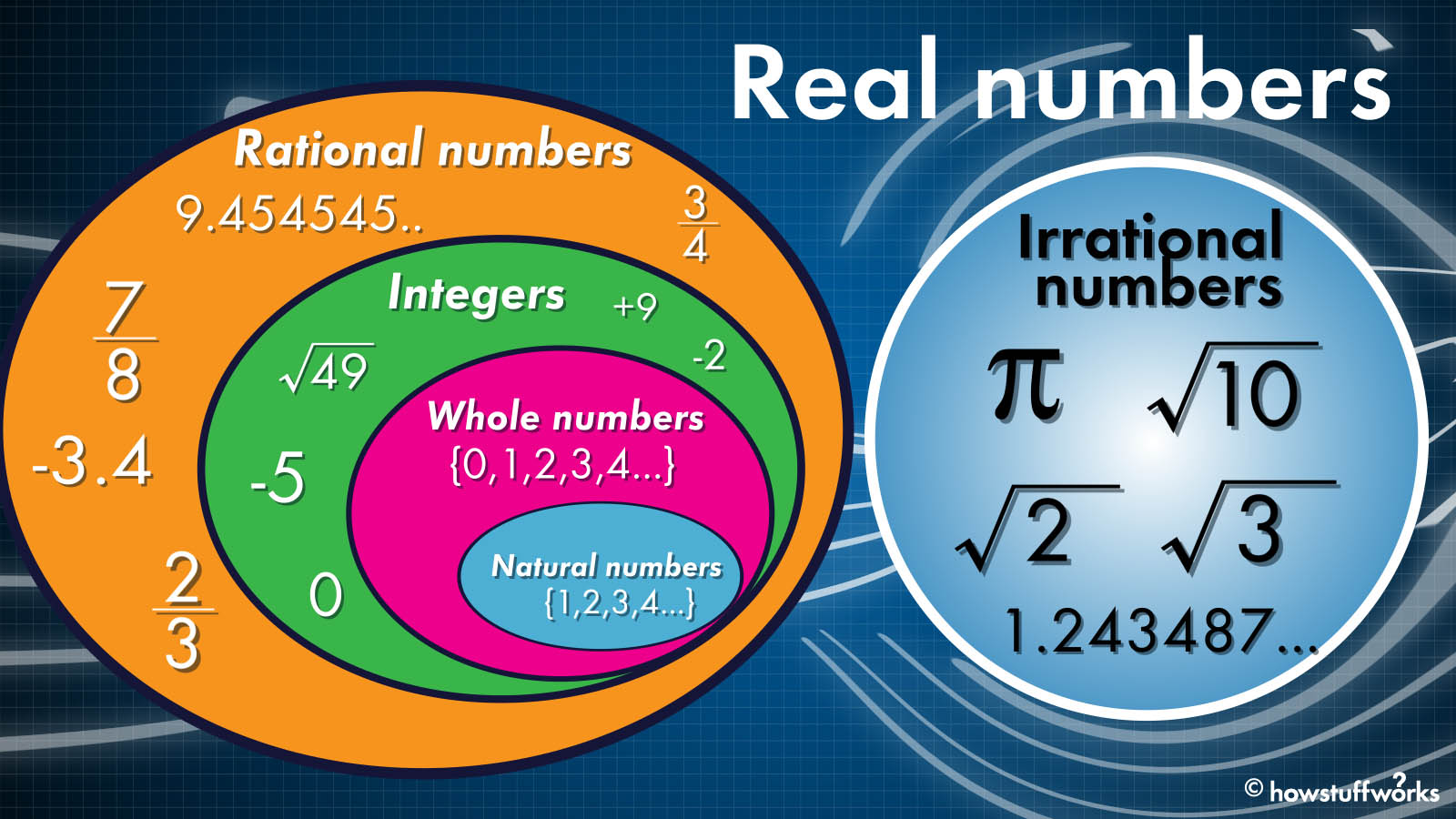
Right now my seventh grade student is working on operations with positive and negative numbers. This math topic is often called "integers" but I think throwing this term around is confusing to children because "integers" just means positive numbers, negative numbers, and zero.

Integer is a straight-up Latin word. In Latin it was an adjective that meant "intact, whole, complete." In other words, whole numbers (see graphic). Fractions and decimals need not apply.

It would be nice if we talked about the term "integers" earlier so it didn't coming zinging out of left field in Algebra. It's like how the equals sign means "is the same as" and not "put the answer here." The way that we introduce math concepts and vocabulary early on a child's school experience should set them up for success later on!

Anyway, if you're just beginning to do positive and negative numbers with your child, I want to pass along what Jamie York says about avoiding using a Number Line. A positive and negative bank account balance is a better real-life example and is more concrete and easy for children to understand. (A number line is helpful for coordinate graphing but I wouldn't use it for this.)


The three operations with positive and negative numbers are adding, multiplying, and dividing. There's really no subtracting, because we teach children to now think of subtracting as adding a negative number. 7 - 5 is rewritten as 7 + (-5).

The scoring in golf is also a great real-life example of this, and I highly recommend the Educational Game: Gnoming A Round for a wonderful introduction to adding positive and negative numbers!


Practicing multiplication and division with positive and negative numbers can be a little more difficult to understand. Here are my recommendations:

First, begin by reviewing fact families.

Fact Families Freebie Multiplication & Division
FREE at TpT


Then, go over the Rules. In my opinion, you should ignore the positive and negative signs, solve the problem as usual, then take the positive and negative signs into account when deciding what the final answer will be.

P x P = P
this one is obvious!

N x N = P
two negatives cancel each other out, like "she doesn't hate blueberries"

P x N = N
N x P = N
is there's cancelling out in this situation? no, so the answer will be negative


Lastly, remind students of the relationship between multiplication and division. This is the reason for practicing fact families first. (I've seen Rules for division, similiar to the Rules for multiplication, but I think there's no need to make it that complicated. There really aren't two sets of rules.)

Dividing Negative Numbers Guided Notes
FREE at TpT

If the problem is 24 ÷ (-8), I just think to myself, what times negative 8 would give me a positive 24?
3 x 8 is 24. 3 x -8 would be -24.
So, for the 24 to be positive, the answer MUST be -3.

I like doing it this way better because it stregthens so many other skills. It reinforces the multiplication Rules, it doesn't muddy the waters with another set of Rules, it reinforces the basic understandings behind fact families... AND it helps you practice solving for a mystery number and reorganizing the problem in a different way, which are important concepts in Algebra.

Dividing Negative Numbers Worksheet
FREE at TpT (you should do Order of Operations first)


UPDATE: One more idea!

Hurricane Ian drained the waters of Tampa Bay. Did that affect the environment?
Tampa Bay Times - Oct 19, 2022

Tuesday, February 21, 2023

"Monstrously" Cool Factor Trees

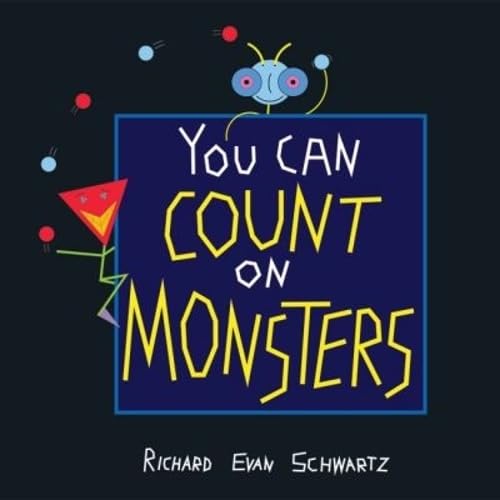
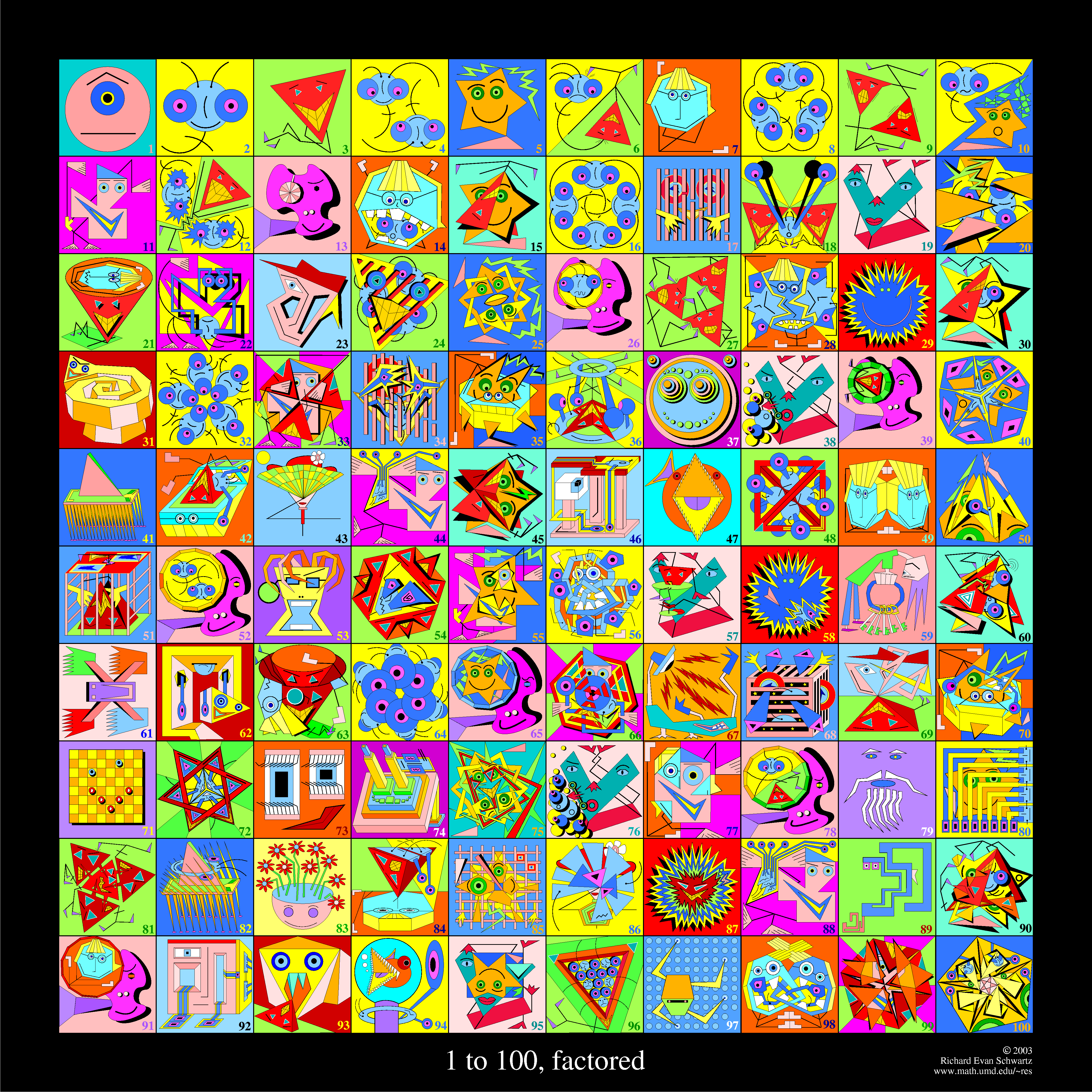
One of the most popular Math activities right now with my 10 and 11 year old students is illustrating prime and composite numbers inspired by You Can Count on Monsters, an amazing math book by Richard Evan Schwartz.


You Can Count on Monsters: The First 100 Numbers and Their Characters


In this Brown University article, he explains the process he went through to come up with this book. Here are all 100 numbers in a poster.

Special Note: The poster was one of the finalists in the 2003 N.S.F. Science and Engineering Visualization Challenge!

And children can so easily do this themeselves as a classroom activity! For each prime number, they design a unique monster. For a composite number, the children create a factor tree (factoring it all the way to the primes) and then do a drawing of those prime number monsters playing together.

Here is some of Natalie's artwork from December 2016.


9 = 3 x 3


10 = 2 x 5


15 = 3 x 5


21 = 3 x 7


44 = 2 x 2 x 11


77 = 7 x 11


It's addictively fun... and a great way to practice factor trees!


This post contains affiliate links to materials I truly use for homeschooling. Qualifying purchases provide me with revenue. Thank you for your support!