It is Sunday evening and I'm looking over the pacing of our last few topics of the school year.
In our next two weeks we will be finishing up our Norse Mythology block. Out of the remaining stories in D'Aulaires' Book of Norse Myths, I decided on
Monday April 2
listen to Wagner's Ride of the Valkyries (4:53)
The Valkyries and Valhalla
Tuesday April 3
Freya's Wonderful Necklace
Thurday April 5
Idunn's Apples of Youth
Friday April 6
The Theft of Thor's Hammer
Monday April 9
Thor and the Jotun Utgardsloki
Tuesday April 10
The Death of Balder
Thursday April 12
Loki's Punishment
Friday April 13
Ragnarokk, the Destiny of the Gods
A New World
Leah has finished reading Pride and Prejudice and is working on her essay, due Friday. The students who were reading Holes finished it and they will be watching the movie version this upcoming weekend.
Leah and I will be moving on to Hamlet as her introduction to Shakespeare and her final literature study of the year; the other novel study I'll be teaching is Out of the Dust. I didn't choose to do it in April because this is National Poetry Month. It is just a coincidence!. I had a particular student in my homeschool co-op in mind when I chose this book. His favorite book from last year was historical fiction written completely in verse. It was Good Masters! Sweet Ladies! Voices from a Medieval Village, set in England 1255.


Out of the Dust, on the other hand, is set in Oklahoma in 1934 and 1935.
Although I bought a unit of lesson plans from TpT (I'm using traditional materials to help this child transition into public school next year), I'm also really interested in the treatment this time is given in What Was It Like? Teaching History and Culture Through Young Adult Literature by Linda Rice.


Chapter 2 is called "Overcoming Economic Hardship and Physical Disability During the Great Depression (1929-1939)" and she recommends a trio of young adult novels.


I like how interwoven her teaching ideas are with bigger themes, like understanding how the stock market works. We have the vintage card game Pit, and I remember playing The Stock Market Game over a decade ago in my fourth grade public school in Maryland. Those would be GREAT things to weave in, since we will also be doing our third Math main lesson block while we are reading this book!
Rice also presents five Active Learning Project options:
She also lists two ideas for Role Play and Simulation:
News Broadcast
Learning Centers -- "As a way for students to engage actively and think creatively about vicariously experiencing the challenges faced by the characters in a story, they will work in groups to create Learning Centers that simulate challenges present in their novel." I really like the student-created idea for a dust storm simulation, p.40.
Finally, she lists a vareity of Creative Writing options, all poetry:
Found Poetry
Recipe Poem
Stepping into a Historical Photograph
Villanelle
Repetition to Emphasize a Point
Adding a Scene
My traditional lesson plans from TpT came as a folder containing 16 documents:
Teaching Guide - her thoughts on pacing
Response Pages
(this is a packet, print pages 3-13 for the child to complete while reading the book)
Response Pages Key
Freewrites
(open ended prompts to show on your computer screen, 10 total)
Winter 1934
Spring 1934
Summer 1934
Autumn 1934
Winter 1935
Winter 1935
Winter 1935
Spring 1935
Summer 1935
Autumn 1935
Freewrites Response Pages
(paper for students to write on, space for 10 entries labeled with season & year)
Friendly Letter Assignment, Websearch Activity, Websearch Key
Friendly Letter Writing Rubric
Objective Summary for Summer 1935
Determining Theme
(I will use her four terms but do the good/bad grid activity from Reviving the Essay lesson 2, Prompt Generator)
Determining Theme Key
Plotline Chart
(graphic organizer, complete before doing final assessments)
Plotline Chart Key
Conflict Page
Conflict Page Key
Vocabulary and Key - we will not do this
Test and Key
This is subject to change, but right now I'm thinking
Monday April 9
in class - begin The Stock Market Game
focus on the stock market in class
for the rest of the week, check leaderboard daily and make more trades if desired
Monday April 16
in class -
play vintage Pit card game, anyone seen Trading Places?
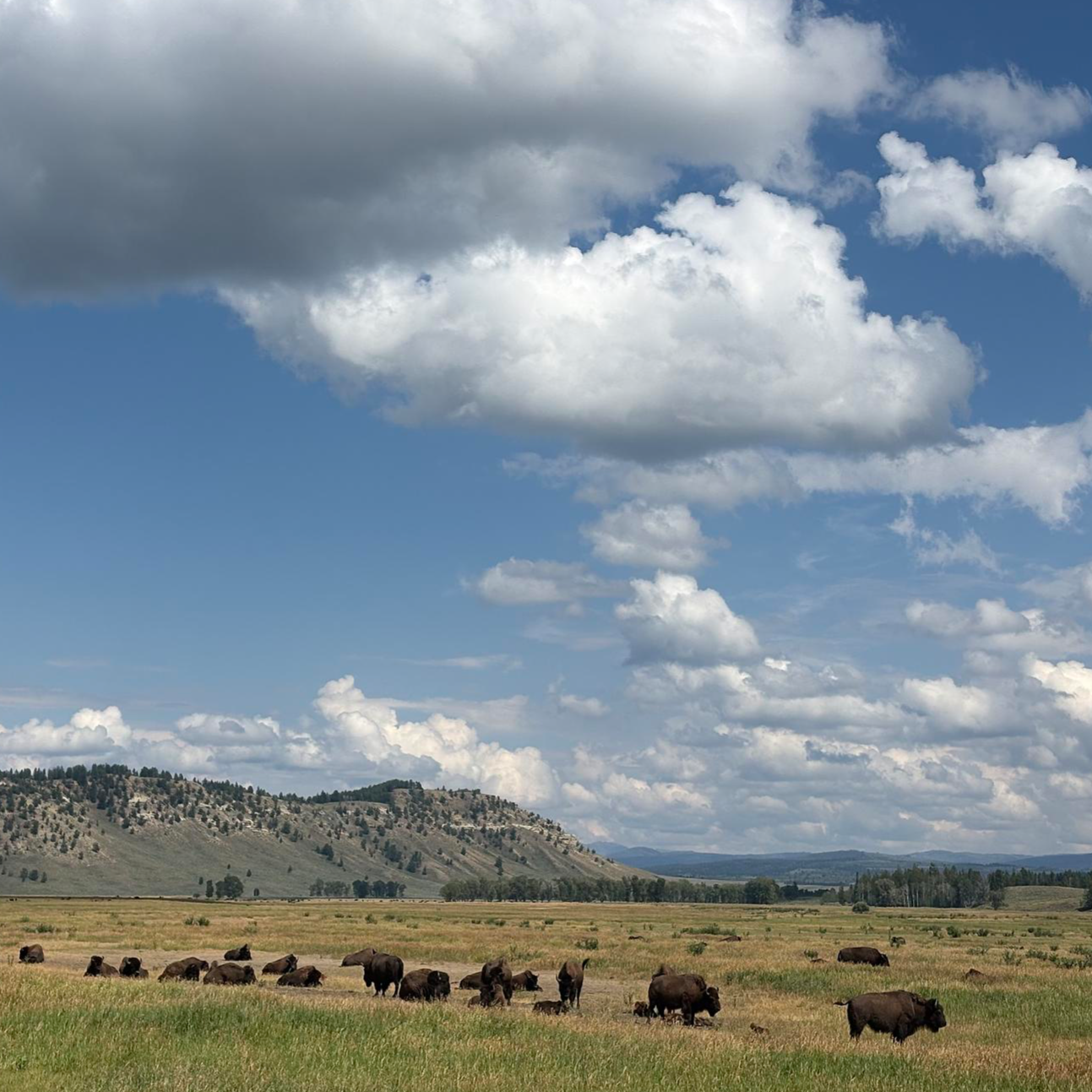
dust storm simulation with fans, chairs arranged around the kitchen, blindfolds, play Howling Wind on Youtube for background sound
look at biome map of N. America, where did the Dust Bowl happen?
read Leah's Pony by Elizabeth Friedrich


at home - read Winter 1934
Tuesday April 17
in class - complete free write and response packet
at home - read Spring 1934
Wednesday April 18
at home - do websearch activity
view “Surviving the Dust Bowl – The American Experience”
and/or read Children of the Dust Bowl: The True Story of the School at Weedpatch Camp


look at Root Systems of Prairie Plants poster ($30)
Thursday April 19
in class - complete free write and response packet
at home - read Summer 1934
Friday April 20
in class - complete free write and response packet
at home - read Autumn 1934
Monday April 23
in class - complete free write and response packet
at home - read Winter 1935
Tuesday April 24
in class - complete three free writes
at home -
rough draft friendly letter assignment
Wednesday April 5
in class - complete response packet, final draft friendly letter
at home - read Spring 1935
Thursday April 26 - Poem in Your Pocket Day 2018
in class - rough draft of poetry assignment from What Was It Like?
at home - final draft poetry creative writing assignment
Friday April 27
in class - complete free write and response packet
at home - read Summer 1935
Monday April 30
in class - complete free write and response packet
at home - complete objective summary assignment
Tuesday May 1
in class - read aloud in class Autumn 1935, complete free write and response packet
at home - complete plotline chart and conflict page
Thursday May 3
in class - Prompt Generator exercise from Reviving the Essay
at home - Character Change illustration from What Was It Like?
Friday May 4
in class - take test
at home - Going on Location with Photography from What Was It Like?
I think Going on Location with Photography will be a very interesting final assigment!
It's always a challenge to make a story come to life. My 16 and 14 year old daughters, Natalie and Leah, just came home from seeing Ready Player One with their friends. Leah read the book and hated the movie. Natalie didn't read the book and loved the movie.


On the way home in the car, listening to them talk back and forth about the movie, I came up with the most BRILLIANT IDEA.
Any movie execs out there listening?
Film studios always try to capitalize on the success of a book by making it into a movie, opening themselves up to hatred when audiences don't like their interpretation. Instead of taking a best-selling book and making it into a film, why not make a movie of the (as yet unwritten) sequel to the book? That way people who love the book and the characters will still come to see the movie to see what might happen next... they will joyfully write fanfic and discuss it ad nauseum... and movie makers don't expose themselves to the criticism of purists. Yet, they can still capitalize on a huge fan base!
Even better...
Different movie studios could write different sequels/screenplays and RELEASE THEM AT THE SAME TIME and people could go to more than one and see which one they like. Like when three different endings were released to the movie Clue in 1985, and competing movie theaters would show different endings and people would happily pay more than once to see the film. Wouldn't that be so fun???


This post contains affiliate links to the materials I actually use for homeschooling. I hope you find them helpful. Thank you for your support!




 Immersive Experience
 Immersive Experience
 Immersive Experience
 Immersive Experience


