timing:
-
Great Salt Spring is a prehistoric site first occupied around AD 800 along the Saline River in southern Illinois. Here, Native Americans extracted salt from the naturally occurring salt springs, mainly as a seasonal activity during the autumn months. (source)
Temple and Castle owned and operated the mine from 1854 to 1873. They are said to have made five hundred bushels every twenty-four hours. About the beginning [of] 1873 they thought the brine could be transported easier than the fuel, so they started to build a larger and newer plant nearer the coal mine. The work of construction was started but hard times, caused by the panic of 1873, came on and work stopped. Salt became cheaper when the crisis passed over and they never finished the new plant. (source)
resource list:
-
This Week In Illinois History: Salt In Our State’s Wounds
northernpublicradio.org - overview
Illinois Salines
Wikipedia page
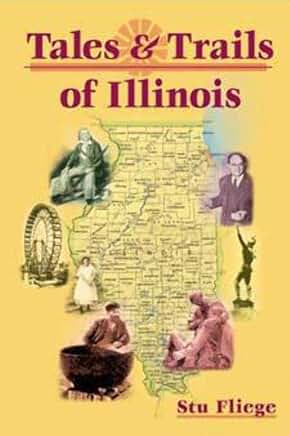
Tales & Trails of Illinois
by Stu Fliege
chapter 2
Salt Mines in Illinois: An Important Early Industry
Saline Springs
Missouri Department of Conservation
The Carrier Mills Archaeological Project: Fascinating Finds (PDF)
Southern Illinois University, Center for Archaeological Investigations
A lot of the history of salt is very disturbing, including the fact that this industry was carved out as a special exception to Illinois being a slave-free state, and the frequent use of the n-word in the language of the time. We are focusing on how a saline spring is formed naturally, how people boiled the water away to extract the salt, and some of the interesting archaeological finds of the area.
Here are resources for teacher background information which would not be suitable for classroom use:
History of the Gallatin Salines
Journal of the Illinois State Historical Society
Legends & Lore of Southern Illinois by John W. Allen
"The Gallatin Salines" and "Half Moon Lick," pp.132-135
Slaves, Salt, Sex & Mr. Crenshaw: The Real Story of the Old Slave House and America's Reverse Underground R.R. by Jon Musgrave
artifacts:
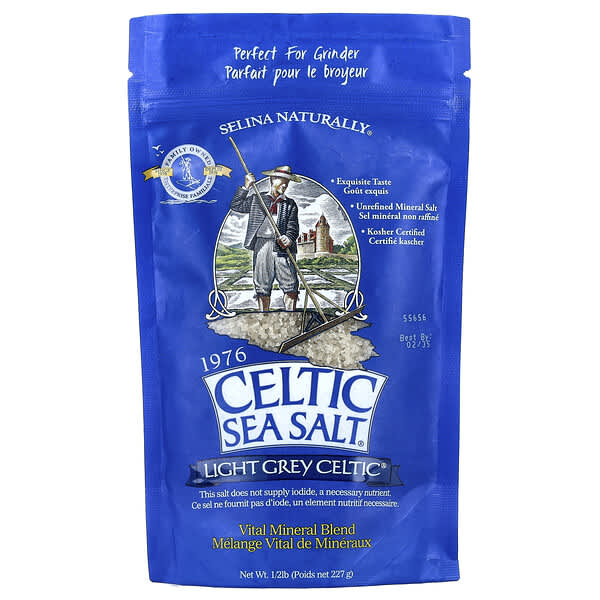
examples of sea salt
follow ups:
it would be fun to
Explore the Water Cycle!
Water Cycle Mat from Waseca Biomes
Design a Science Experiment!
The Curious Kid's Science Book by Asia Citro

Asia's book is the best for Science Experiments because she has them create their own instead of just replicating an experiment design she has provided.
We have done this in the past to explore questions about evaporation (dishes of water with food coloring or sugar dissolved in them, left out covered or uncovered, left in places in the house of different temperatures).
Even though they know intellectually that the water will "go back up into the clouds," it's fun to watch it happen firsthand!

They are often interested in how quickly evaporation will happen, what else will evaporate up along with the water and what will be left behind (sugar? food coloring?), and if water can successfully get out of a closed container.

This post contains affiliate links to materials I truly use for homeschooling. Qualifying purchases provide me with revenue. Thank you for your support!




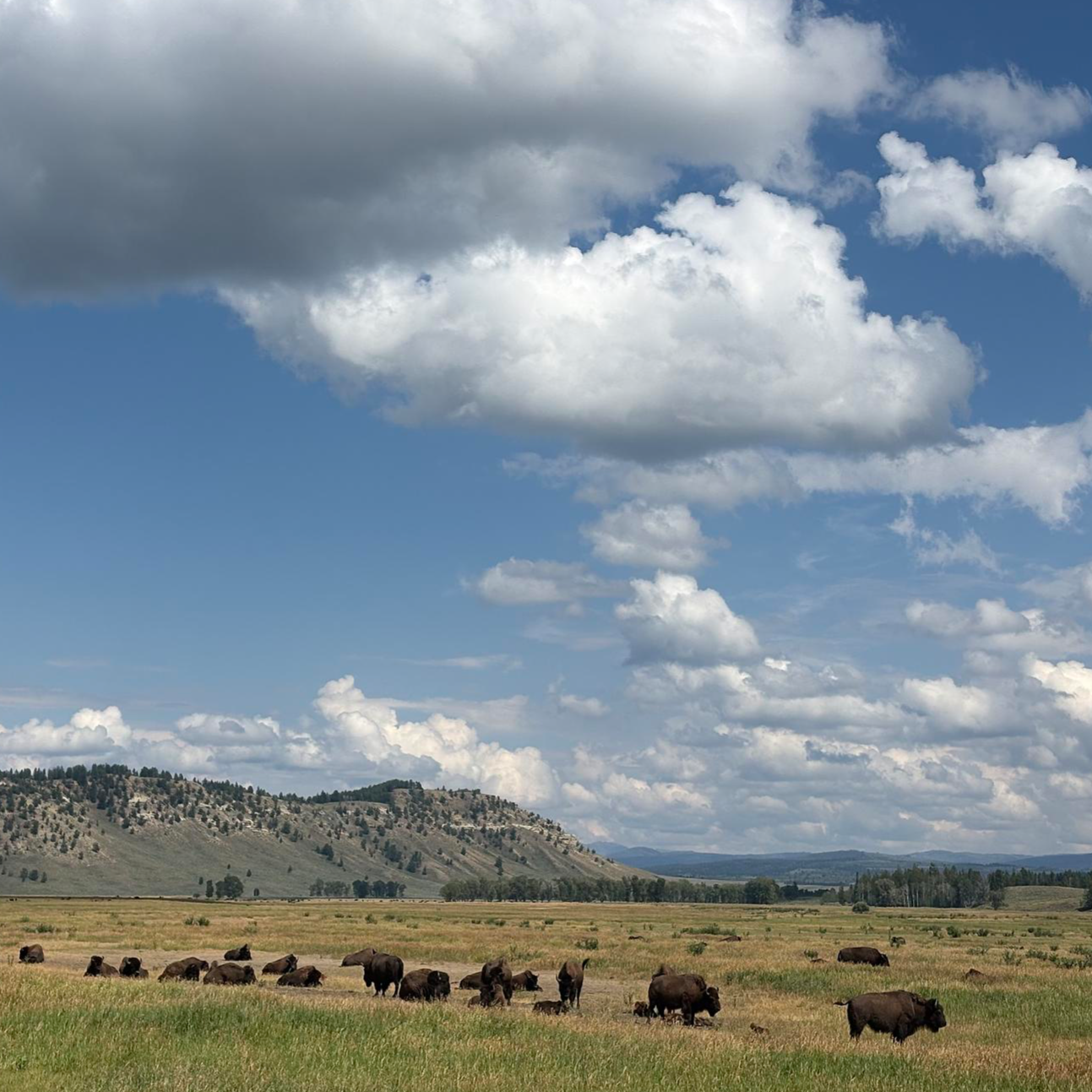
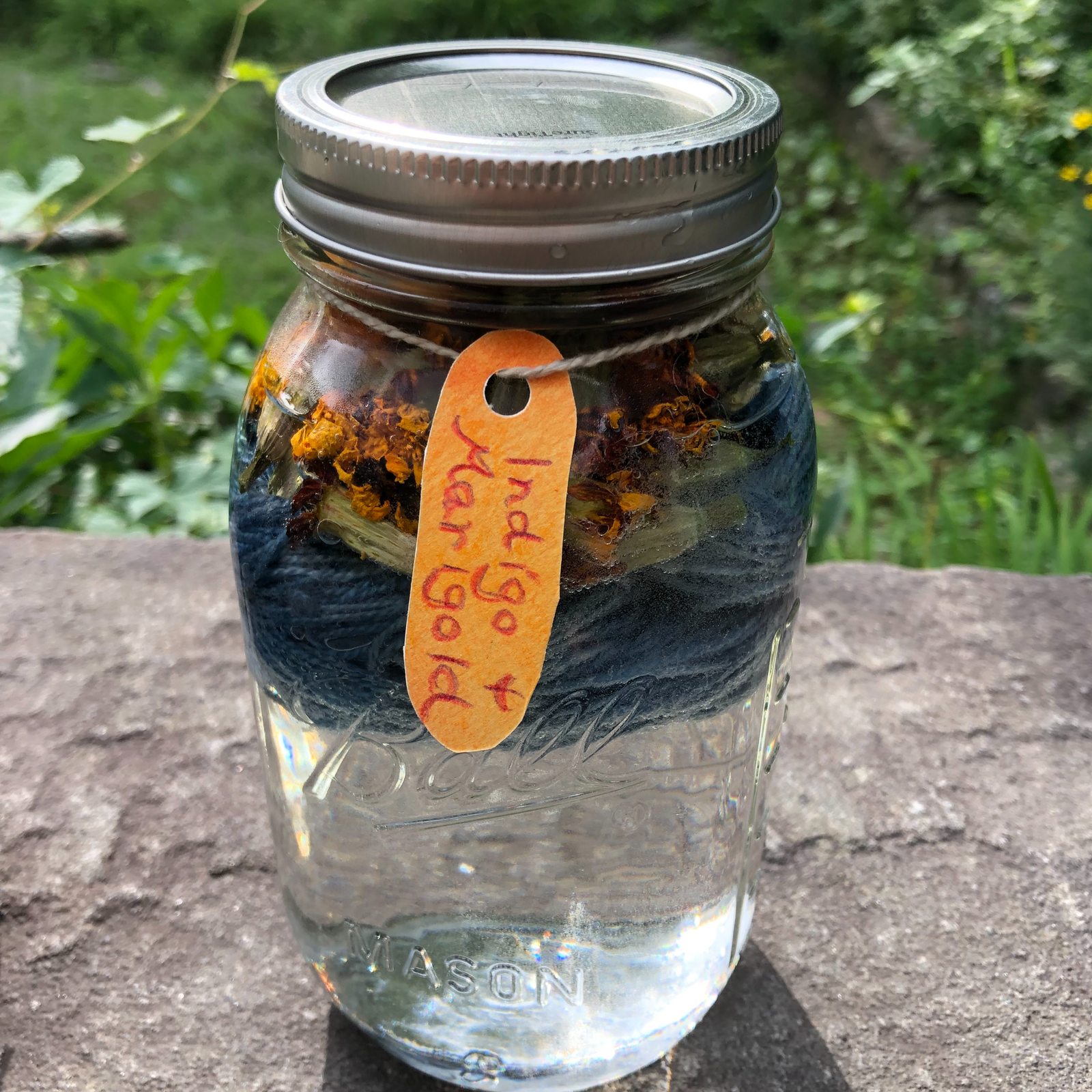
 Immersive Experience
 Immersive Experience
 Immersive Experience
 Immersive Experience


1 comment:
I had been hoping that we could visit the Center for Archaeological Investigations at SIU and see some of the Carrier Mills artifacts; however, the Interim Director wrote back to my query with the following response.
"We are engaged in consultation with Native American groups regarding our collections and until we finish that process, we don't have them open to the public."
I'm glad that they are doing this!
Post a Comment