-
Science Club - Weather / Humidity
Art History - Helen Frankenthaler
Language Arts - The Canterbury Tales
Mathematics - The Book of Perfectly Perilous Math and "Monstrously" Cool Factor Trees
Monday, Mar 13
- SSR
Morning Math
- age 6, 7, 8 - static addition with the Golden Bead Material
age 10, 11 - "You Can Count on Monsters" rough draft & edit for MLB


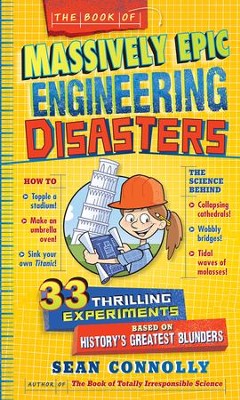
age 12, 13 - The Book of Perfectly Perilous Math
"Buying a Pyramid" & "Buried Alive?"
Jazz - read Freedom in Congo Square by Carole Boston Weatherford at snack


Handwork - Knitting, Embroidery
Read Aloud - read chapter 7 of The House at Pooh Corner at lunch


Board Games - Socken Zocken, Labyrinth, Mancala
Language Arts
-
age 6, 7, 8 - Introduction to Word Study
every letter in a word matters!
read The Disappearing Alphabet by Richard Wilbur and Ed Emberley's Amazing Look-Through Book by Ed Emberley


age 10, 11 - The < ll > Challenge
age 12, 13 - History of the English Language
review history of the English language and look at a map of England and neighboring countries
read Beo-Bunny by James Rumford and look for familiar words
listen to a portion of Beowulf read in Old English


for students who want to go deeper:
side-by-side translation for Beowulf (PDF)
Tuesday, Mar 14
- SSR & Reading Meetings (here's what people are reading right now)
- CR - Five Children and It by E. Nesbit
AZ - Happy Birthday, Mrs. Piggle-Wiggle by Betty MacDonald
AH - The Wonderful Wizard of Oz by L. Frank Baum
KW - The Girl Who Drank the Moon by Kelly Barnhill
AG - The House Above the Trees by Ethel Cook Eliot
KA - Hello, Universe by Erin Entrada Kelly
KLL - Heart of a Samurai by Margi Preus
Morning Math
- age 6, 7, 8 - static subtraction with the Golden Bead Material
age 10, 11 - finish adding definitions of prime & composite numbers and examples of factor trees (and monsters) to MLB
age 12, 13 - The Book of Perfectly Perilous Math
"The Rope Bridge" & "The Punk Prank Payback"
extra math work:
CR - How long is the world record flight for a chicken?
(aka Cross Cancel Fractions, FREE on TpT)
KW - Reading a Line Graph
KLL - Supercharged Math, Algebra week 3
Jazz - read This Jazz Man by Karen Ehrhardt at snack


Handwork - Knitting, Embroidery
Lunch - read Beowulf: A Hero's Tale, retold by James Rumford using only Anglo-Saxon words still used today


Board Games - Bugs in the Kitchen, Gnomes at Night, Bananagrams, Scrabble
Wednesday, Mar 15
- SSR
Morning Math
- age 6, 7, 8 - static multiplication with the Golden Bead Material
age 10, 11 - Math Practice Puzzles: Fractions and Decimals (PDF)
AZ - Sticky Code, p.15
CR - Mixed Number Search, p.16
AH - Question and Answer, p.35
age 12, 13 - The Book of Perfectly Perilous Math
"Tornado on Your Tail!" & "The Long Way Around"
Jazz Artist: Louis "Satchmo" Armstrong - read Just a Lucky So and So: The Story of Louis Armstrong by Lesa Cline-Ransome, listen to "What a Wonderful World" and watch video of "Hello Dolly"


Handwork - Knitting, Embroidery
Read Aloud - read chapter 8 of The House at Pooh Corner at lunch
Board Games - Jump One, Jump Two
The hfw Project - explain the story of < I >, look through Beowulf side-by-side translation (PDF) for I and ic
Language Arts
-
age 6, 7, 8 - SWI
read That's What Leprechauns Do by Eve Bunting, write word sums for the < rain > family


age 10, 11 - Grammar
begin reviewing Grammar symbols for Lower Elementary
age 12, 13 - The Canterbury Tales
Canterbury Tales: Satire SNL Worksheet (FREE on TpT)
some skits I suggest instead of the one indicated:
Meet Your Second Wife
Gen Z Hospital
Screen Guild Awards
COVID Commercial
Guns
Black Jeopardy with Tom Hanks
Science Club - begin study of Humidity
Thursday, Mar 16
- SSR
Morning Math
- age 6, 7, 8 - static division with the Golden Bead Material
age 10, 11 - fractions, decimals, percents
age 12, 13 - The Book of Perfectly Perilous Math
"The Sands of Time" & "The Final Countdown"
Jazz Artist: Florence Mills - read Harlem's Little Blackbird: The Story of Florence Mills by Renée Watson at snack, listen to "Bye Bye Florence" (vocals by Bert Howell, organ by Fats Waller)


Handwork - Knitting, Embroidery
Read Aloud - read chapter 9 of The House at Pooh Corner at lunch
Board Games - Quixo, Gnomes at Night, Mancala
Art History - Helen Frankenthaler Tea Staining Art Lesson ($3.50 on TpT)


Language Arts
-
age 6, 7, 8 - SWI
read The Tale of Lucky Patrick: A Leprechaun and Farmer Story by Suzanne Down, write word sums for the < gold > family
age 10, 11 - Grammar
finish reviewing Grammar symbols for Lower Elementary:
article, adjective, noun, pronoun, verb, adverb, preposition, conjuction, interjection
begin to study Grammar Symbols for Upper Elementary:
nouns - common, proper, collective, abstract
verbs - transitive, intrasitive, linking, gerund, participle, infinitve as adjective, infinitive as noun, infinitive as adverb
age 12, 13 - The Canterbury Tales
begin to read The General Prologue (PDF) in Middle English and fill out Character Chart (FREE on TpT)
This post contains affiliate links to materials I truly use for homeschooling. Qualifying purchases provide me with revenue. Thank you for your support!











 Immersive Experience
 Immersive Experience
 Immersive Experience
 Immersive Experience


