Monday, August 14, 2023

Notes on Greek Mythology

In the Waldorf scope & sequence, children learn Greek Mythology in grade 5 (often culminating in an Olympics) and Greek & Roman History in grade 6 as a prequel to the Middle Ages. The last time I taught Greek Myths we had a shortened month so our block needed to proceed quickly. We used Famous Myths of the Golden Age retold by Beatrice Alexander (1947) for our MLB.

    The Flame-Giver

    Pandora's Box

    The Gorgon's Head

    The Story of King Midas

    The Sun-God and the Mortal

    How Phaeton Drove the Horses of the Sun

    The Golden Fleece

    Cupid and Psyche

    The Labors of Hercules

    The Six Pomegranate Seeds

    The Wanderings of Ulysses


I loved her retellings; the biggest downside to her book is that she refers to the Greek characters by their Roman names and my students found that very confusing. The next month, while we were writing and putting on our Three Vignettes from Greek Mythology Class Play, we then read The Odyssey for Boys and Girls retold by A.J. Church (1936) as our lunchtime read aloud (available here as a FREE PDF).


This time around I have the luxury of taking my time, working remotely on Zoom with a student who wants to go through the D'Aulaires' Book of Greek Myths slowly. So here I am sharing the Table of Contents and some notes.


In Olden Times


Gaea, Mother Earth


The Titans

    the Hecatoncheires (meaning "hundred-handed ones") were named Cottus, Briareus, and Gyges

    Titan is a moon of Saturn

    modern word Titanic

    modern word titanium

    modern word rhea


ZEUS and His Family

    Roman equivalent Jupiter, name of a planet

    modern word iris

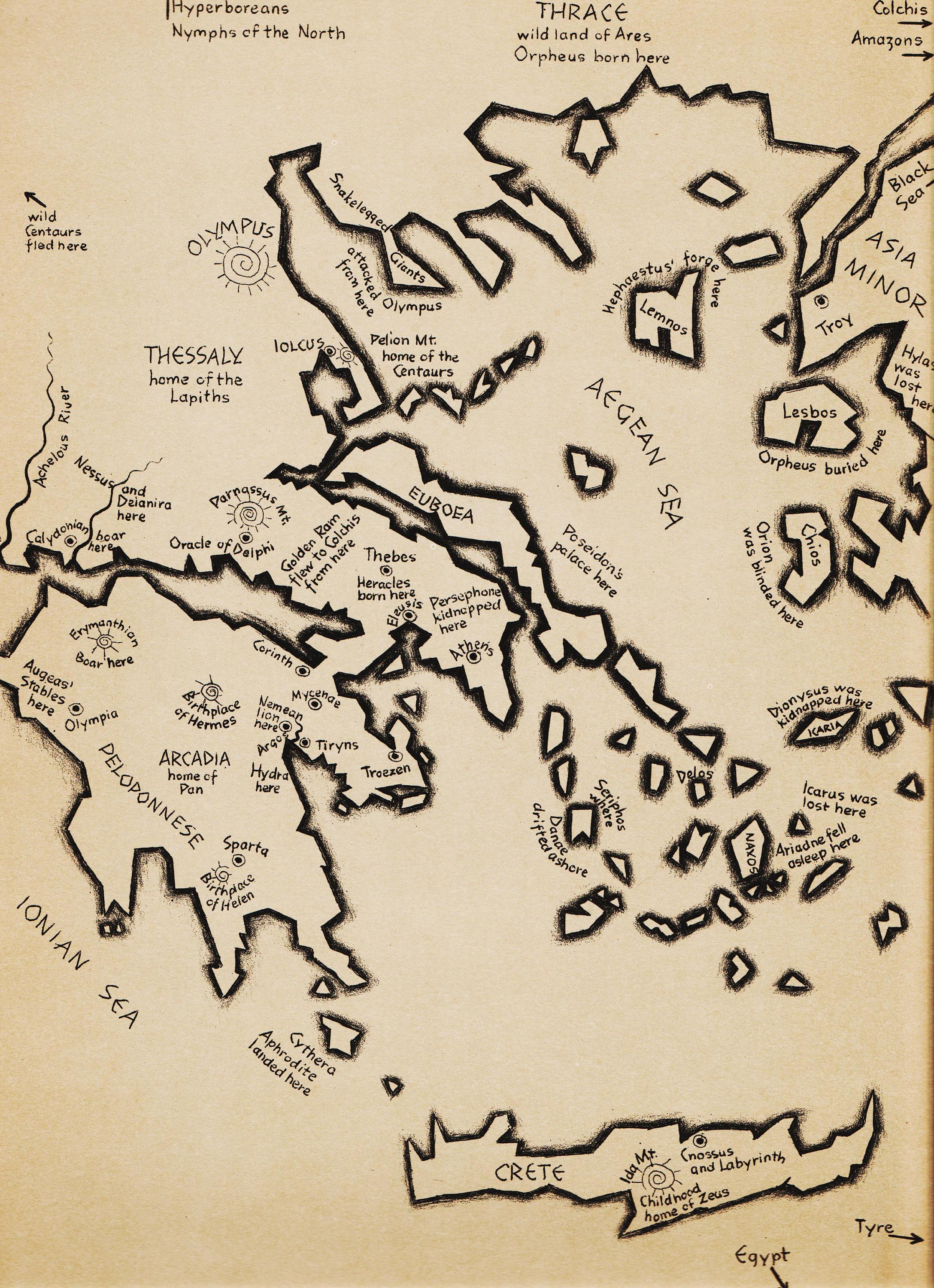
    find "Ida Mt., Childhood home of Zeus" on map


Hera

    Roman equivalent Juno

    Io is a moon of Jupiter

    find "Egypt" on map

    this is a great time to go see peacocks at the zoo or Cabin on the Hill!


Hephaestus

    Roman equivalent Vulcan

    modern word volcano

    find "Lemnos, Hephaestus' forge here" on map


Aphrodite


Ares

    Roman equivalent Mars, name of a planet and a month

    also, the two horses that pulled his chariot (Phobos "fear" and Deimos "terror") are the names of the two moons of Mars

    Eris is a dwarf planet in the Kuiper Belt

    modern word phobia


Athena

    Roman equivalent Minerva

    modern word arachnid

    find "Athens" on map

    this is a great time to taste different types of olives or make Super Lemony Olive Oil Cake (our kitchen spoon is made of olive wood!)


Poseidon


Apollo

    find "Parnassus Mt., Oracle of Delphi" on map


Artemis

    Roman equivalent Diana

    constellations: Orion, Scorpius

    find "Orion was blinded here" on map


Hermes


Hades


Persephone and Demeter

    the Roman equivalent of Persephone is Proserpina

    the Roman equivalent of Demeter is Ceres

    modern word cereal

    find "Persephone kidnapped here" on map

    this is a great time to open and eat a pomegranate!

    Persephone
    retold by Sally Pomme Clayton


Dionysus

    Roman equivalent Bacchus

    Ganymede is a moon of Jupiter


MINOR GODS, Nymphs, Satyrs, and Centaurs


Prometheus


Pandora


Deucalion


Eos

    Roman equivalent Aurora

    modern word Eocene


Helios and Phaëthon


Selene


Pan


Echo


Syrinx


The Wild and Vulgar Centaurs


Asclepius


The Nine Muses


Orpheus

    find "Thrace, Orpheus born here" on map

    find "Lesbos, Orpheus buried here" on map


MORTAL DESCENDENTS OF ZEUS


Europa and Cadmus


Tantalus and Pelops


Danaüs, Perseus, and the Gorgon


Clever and Vainglorious Kings


King Midas


Sisyphus


Bellerophon


Melampus


Heracles


Theseus


Oedipus


The Golden Fleece

    find "Golden Ram flew to Colchis from here" on map

    modern word harpy

    modern word siren


The Calydonian Boar Hunt

    find "Calydonian boar here" on map


The Apples of Love and the Apple of Discord

    Eris is a dwarf planet

    find "Troy" and "Sparta" on map


Everything Must Come to an End


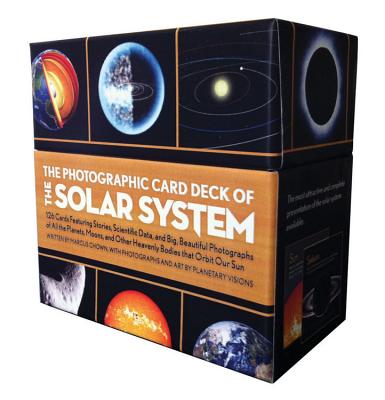
It's really helpful to have pictures handy of the different celestial bodies that have been named based on Greek mythology. I love The Photographic Card Deck of the Solar System by Marcus Chown (with 158 amazing images).
If you're also a part of Art History Kids, Lotus Stewart is doing Ancient Greek Art & Architecture as her August 2023 topic. That's a great resource as well!


This post contains affiliate links to materials I truly use for homeschooling. Qualifying purchases provide me with revenue. Thank you for your support!

Saturday, August 12, 2023

Grade 3 Local Farms

The Farming & Gardening block is a classic topic in Waldorf grade 3. But when you homeschool you can take the time to break it up into a Gardening block (which we are doing this year) and a Farming block (which we are doing next year). Zac's great-uncle is a farmer in Wisconsin and they've already talked about him doing a long visit up there to learn about the farm!

And we have tons of cool local farms by us in Southern Illinois as well. I'd like to start working on a list so I can plan field trips. Let me know if you know of others to recommend.

Speaking of local food, I feel like I also need to create a foraging list now! I'll just note that February is when you tap sugar maples, April is when you hunt for morels, and September is when the pawpaws are ripe!


May


June


Zac, age 4, picking blueberries!


August


Zac, age 4, in the zinnia patch with Black Bear


September


October


Zac, age 3, picking apples with his sister Natalie


We've also been to Rolling Oak Alpaca Ranch several times on field trips. Other places I'd love to visit include Red Gate Farm, a horse-powered sustainable farm in Marion!

Thursday, August 3, 2023

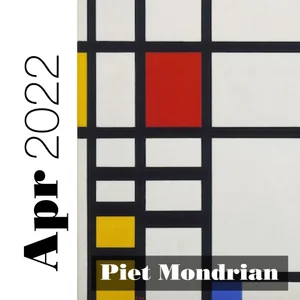
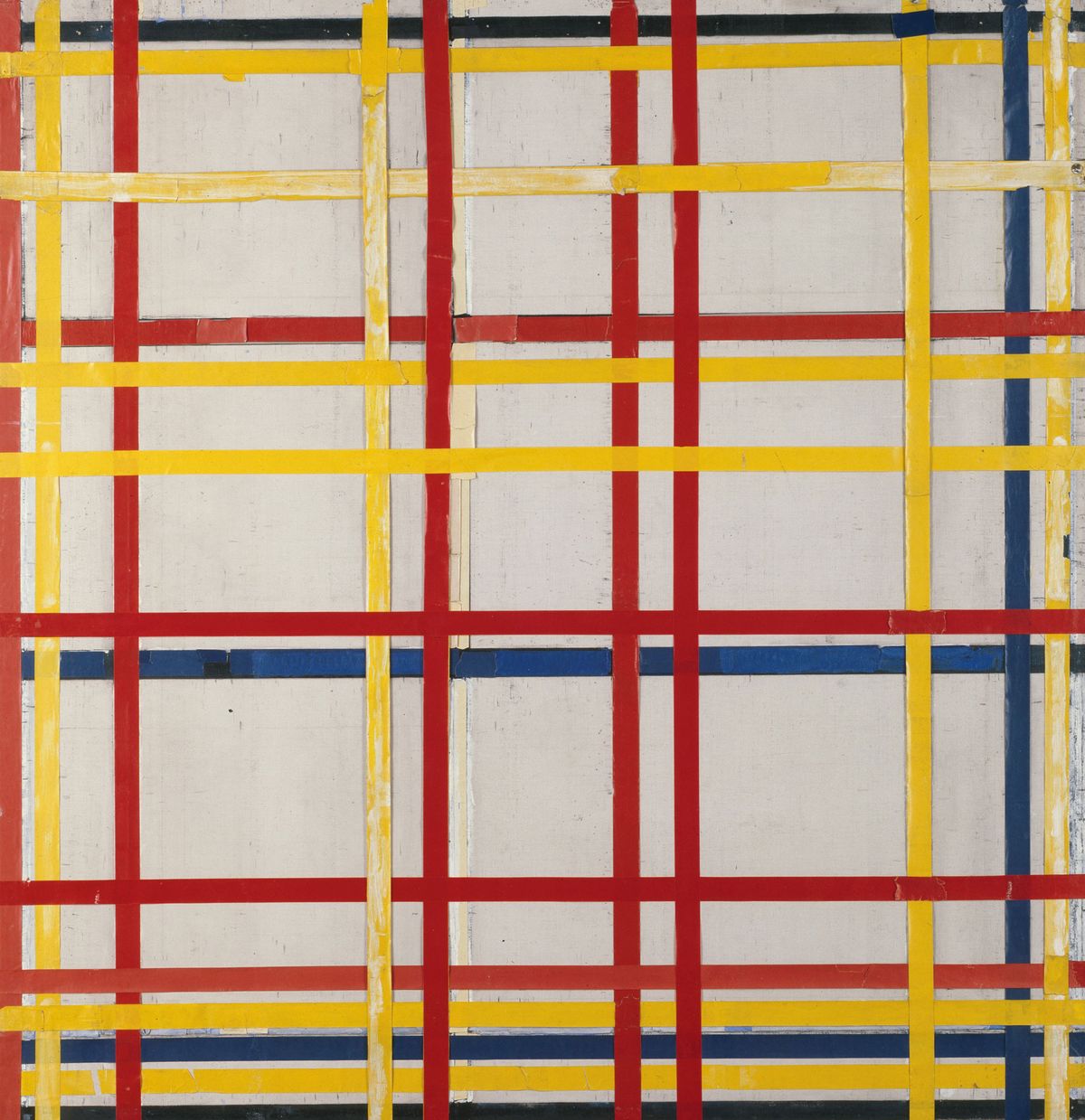
Art History - Piet Mondrian

In my Art History 2023-2024 blog post, I decided September would be Piet Mondrian. Here are some resources and my planning notes:

Piet Mondrian
1872 - 1944


also

Booklist for the Netherlands

Mondrian-Inspired Gift Bag

Mondrian Memory Game (PDF)
back these cards with construction paper so you can't see through them

activities from The Studio lesson plans:
Week 1 Project, p.19
Week 2 Project, p.20
Week 3 Project, p.21
Week 4 Project, p.22
Language, p.34 (Anagram)
Math, p.39 (Golden Ratio)

Mondrian Abstract Art Project
with construction paper and black glue lines

Mondrian Art Template (PDF)

Who Is Piet Mondrian
Tate.org
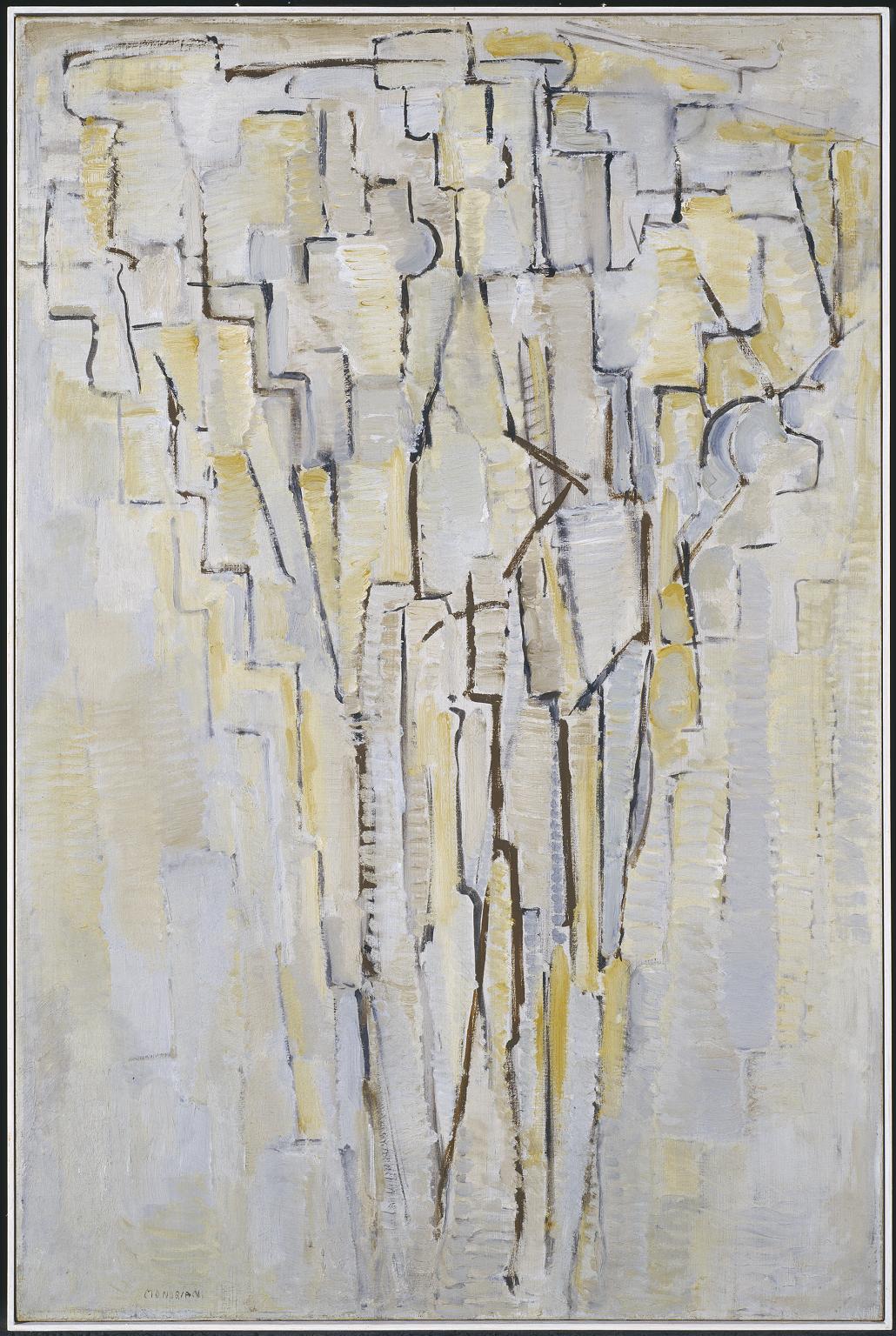
includes image of The Tree A (1913)

    "Mondrian’s fascination with trees developed out of his earlier landscape painting. This is one of his last paintings of trees and is based on realistic sketches made in the Netherlands. After settling in Paris and absorbing the influence of Cubism, Mondrian reworked the image almost to abstraction. The trunk and branches are condensed to a network of verticals and horizontals. He acknowledged the inspiration of nature but added, ‘I want to come as close as possible to the truth, and abstract everything from that until I reach the foundation of things’."

    Gallery label, April 2013


Encyclopedia of Artists

volume 4, pp.32-33


Discovering Great Artists: Hands-On Art for Children in the Styles of the Great Masters

by MaryAnn Kohl and Kim Solga
p.61 - "Straight Line Design" activity
available online as a FREE PDF from Bright Ring Publishing


Using Art to Create Art: Creative Activities Using Masterpieces

by Wendy Libby
p.141 - art movement (Abstract)
p.142 - "Painting" activity
p.143 - sample piece of art, Composition (1929)
p.144 - mini biography
p.145 - "Picture" activity


I decided to join Lotus Stewart's full Art History Kids website (The Studio) and get access to her past lesson plans. I think it will really help me this year to have so much already done for me. Piet Mondrian is in the Archives.


APRIL 2022: PIET MONDRIAN


week of Sep 4:

    Wed - look at sample artwork from The Studio lesson plans and see how Mondrian's style changed over the years

    Self-Portrait, 1900
    Mill in Sunlight, 1908
    Flowering Apple Tree, 1912
    Composition No. 6, 1914
    Self-Portrait, 1918
    Composition with Red, Yellow and Blue, 1927
    Composition with Red, Yellow, and Blue, 1935-1942
    Composition No. 12 with Blue, 1936-1942
    Trafalgar Square, 1939-1943


    Sat - play Whatchamadrawit game as an icebreaker

    pin examples of Mondrian's early artwork up on clothesline in order (1900 - 1918), adding in The Tree A (1913) from Tate.org

    define abstract art

    look carefully at Mondrian's tree paintings and see that they focus on using shapes, lines, and colors to convey the feeling of the tree

    play for 20 minutes in our magnolia tree, then do abstract artwork of the magnolia tree using Gelatos

    play Charades (what could you act out to show the essence of the household item you're trying to convey?)


week of Sep 11:

    Wed - read Coppernickel Goes Mondrian and play Mondrian Memory Game (PDF)


    Coppernickel Goes Mondrian

    by Wouter van Reek

    This book is very abstract and requires students to already know a lot about Mondrian in order to be able to follow it, but I do love how it shows him going from the country (his tree paintings) to the city (his De Stijl paintings) in search of the future. The cityscapes echo the abstract art that Mondrian began to make. BUT if what he was looking for was spiritual essence and universal truths, because of his interest in theosophy, that is not actually the same as a quest for "the future." I think ultimately this book just ended up confusing my students.

    Note: the diamond painting that Mondrian (Mr. Quickstep) is making at the end of the book is Victory Boogie Woogie (1942–1944).

    If you do read this book, I would follow it with the quote in the Mondrian Memory Game and the article When Lee Krasner Met Piet Mondrian. (The YouTube video linked to via QR code in the Mondrian Memory Game is to "Mondrian" - By Sheila Graber - 1978 but it has been taken down.) You could also do the Charleston, shown here!


    Sat - review Mondrian's earlier artwork (1908-1914), look at his later artwork (1927-1943), how did he get to this place?

    play Mondrian Memory Game, focus on three cards in more depth

    QUOTE - read excerpt from When Lee Krasner Met Piet Mondrian about Mondrian using cardboard to square off the curved arches in the Victorian house where he had his studio, build a design with rectangular blocks (Large Stepped Pyramid Wooden Blocks) and another design with curved blocks (1001 Nights Wooden Blocks) and see if we agree that "Curves are so emotional"

    COMPOSITION - define composition as the arrangement of shapes in a piece of art, explore composition with geoboards and rubber bands

    PRIMARY COLORS - Mondrian's efforts to reduce his paintings to what was truly fundamental included stopping mixing paint colors -- as he always had before -- and working solely with the three primary colors plus black and white

    we explored color mixing with acrylic paints and tried to mix some of the colors that he made for The Flowering Apple Tree and The Tree A


week of Sep 18:


week of Sep 25:

    Mon - color mixing experience with primary colors (wet-on-wet)

    circle rainbow with Medium Yellow, Scarlet Red, Cobalt Blue


    Wed - read quote from the Tate website and do Mondrian Abstract Art Project with construction paper and black glue lines

    it is fairly easy for children to create straight lines and perfect corners if you give them some stiff cardboard rectangles to use as templates (I save the backing to used-up pads of watercolor paper)

    I used this Mondrian Art Template (PDF) for our younger students

    I also modified the activity by making the construction paper pieces optional and allowing the use of colored pencils for children who felt overwhelmed by cutting the shapes so precisely to make them fit


    Sat - read quote from p.24 of The Studio lesson plans and do Week 1 Project for the Donut Art Show

    play geometric shape games with our extra time: Blink and Qwirkle


I keep finding quotes from Mondrian that I like and I can't remember where they were. So here is a list:

    "Abstract art is not the creation of another reality but the true vision of reality." - The Studio, p.24

    "The position of the artist is humble. He is essentially a channel." - The Studio, p.45

    "I want to come as close as possible to the truth, and abstract everything from that until I reach the foundation of things." - Tate

    "Curves are so emotional." - Mondrian Memory Game


This post contains affiliate links to materials I truly use for homeschooling. Qualifying purchases provide me with revenue. Thank you for your support!

The Coming School Year

For families in our homeschool group, here's the overview of the coming school year.

As always, we do a combination of whole group, small group, and one-on-one lessons. Each day begins with SSR, our Class Meeting, and Morning Math with the Montessori math materials. We have morning and afternoon snacks, lunchtime with a read aloud story, and an hour to play outside in the yard for recess. I usually run two simultaneous Waldorf Main Lesson Blocks, one for the older children and one for the younger children. Each of our interdisciplinary month-long topics is designed to be differentiated to each child's ability level through the creation of the Main Lesson Books, where they write and illustrate their very own book about the month's topic.

The younger children will be doing the classic Waldorf First Grade blocks and the older children will be doing the classic Waldorf Third Grade blocks. In fact, the Waldorf Third Grade year (designed for students who are 9) is so practical and hands-on and interesting that I don't want to rush through it! So I'm actually spreading these blocks over two school years so that we have enough time to do all of the cool topics that Waldorf assigns to grade 3... and we will do Building projects all year long in Science Club for extra practice in practical life skills & linear measurement.

I will also be teaching World History as a yearlong topic, working one-on-one after school with the oldest student in our group.

I will be offering Science Club Thursday afternoons from 3:30 - 5:30 pm. The theme of Science Club this year is STEM, with a focus on Things That Roll / Things That Float / Things That Fly. This topic was Zac's idea and he is extremely excited about entering a pumpkin car in the Great Pumpkin Race in October and a cardboard boat in the Cardboard Boat Regatta in April.

Also on tap this year we have nine Famous Artists, one per month. Art History is a weekly special that is included during the school day (on Wednesdays) and will also be an offering on Saturday mornings from 10 am to noon for those who want to join us for even more Art time!

Of course, we will have Field Trips and Special Guests, handwork, cooking Foods of the World, and more!

Here is the basic overview:

September
Grade 1 - Form Drawing, Learning to Knit
Grade 3 - Cordage & Knots
using Fibers of Life: Natural Cordage and Ropemaking by Jeffrey Gottlieb

Art History - Piet Mondrian


October
Grade 1 - Quality of Numbers
Grade 3 - Clocks & Calendars

Art History - Louise Bourgeois


November
Grade 1 - Capital Letters I
Grade 3 - Wonderful Houses Around the World

Art History - Sister Corita Kent


December
Class Play

Art History - Yves Klein


January
Grade 1 - Capital Letters II
Grade 3 - Structured Word Inquiry

Art History - Faith Ringgold


February
Early Humans

Art History - Faith Ringgold, cont.


March
Grade 1 - Math Gnomes
Grade 3 - Currency

Art History - Zaha Hadid


April
Gardening
using Native American Gardening by Michael Caduto & Joseph Bruchac

Art History - Andy Goldsworthy


May
Building a Cob Oven
using Build Your Own Earth Oven by Kiko Denzer

Art History - Marianthe Loucateris


Special Dates

    Nov 16 - Pajama Day

    Dec 14 - Class Play

    Feb 29 - Living History Day

    Jun 1- Donut Art Show


I'm also offering June as an extra optional add-on month for those families who would like to participate. The topic for that month is Stories of Household Items, which is also a Grade 3 theme. This will include the story of Salt, Glass, Rubber, etc. and we will do science experiments to explore more about how these things are made.


I'm looking foward to this lively and interesting school year!

This post contains affiliate links to materials I truly use for homeschooling. Qualifying purchases provide me with revenue. Thank you for your support!